
ReThink HK 2026 | The Tyranny of the Measurable
As Session Partner for ReThink HK again this year, we explored the tyranny of the measurable and the importance of viewing data holistically, beyond just numbers. In an era of increasing compliance and ‘boxes to tick’, it’s easy to focus only on what can be measured and forget the real impact.
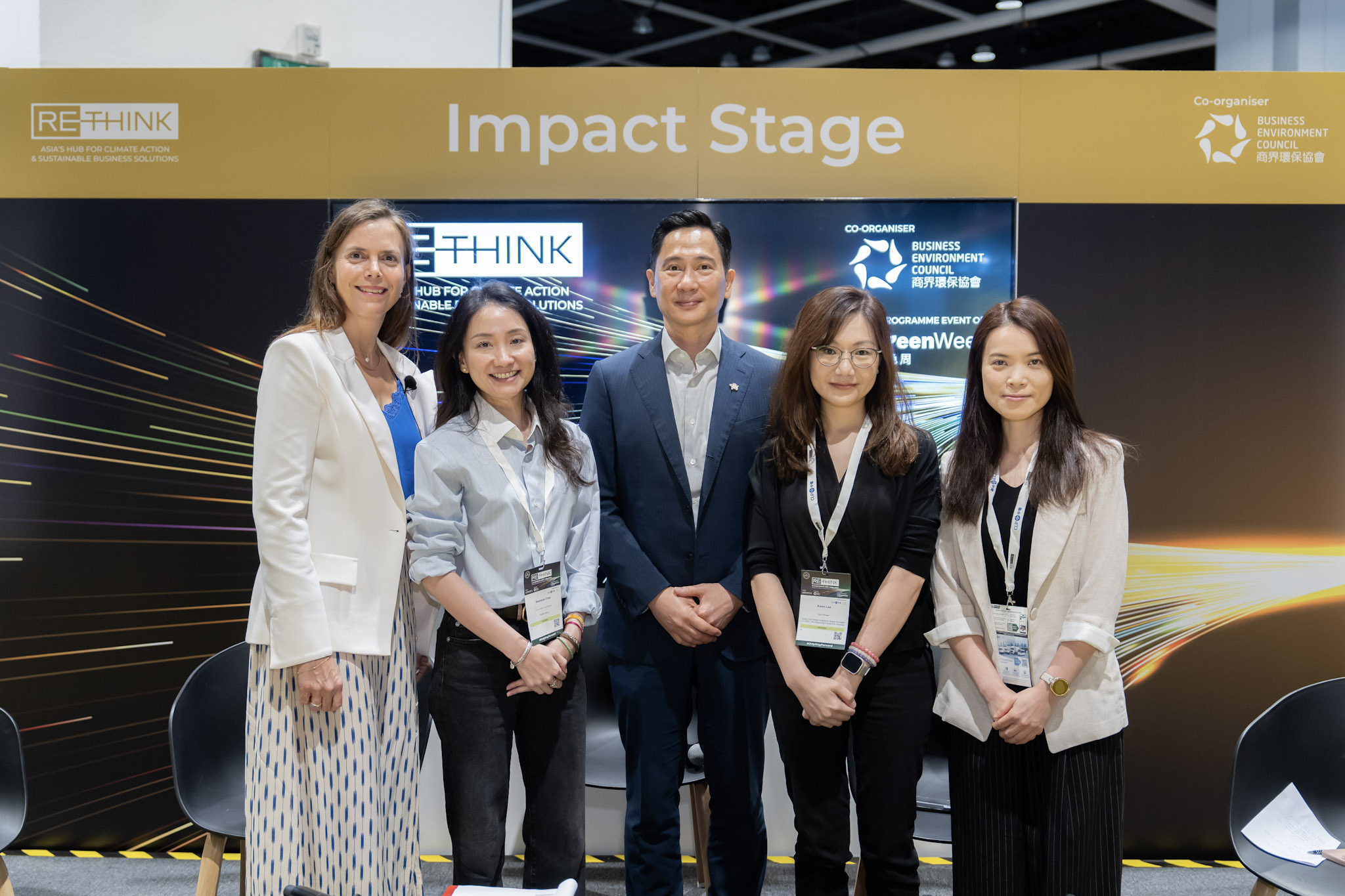
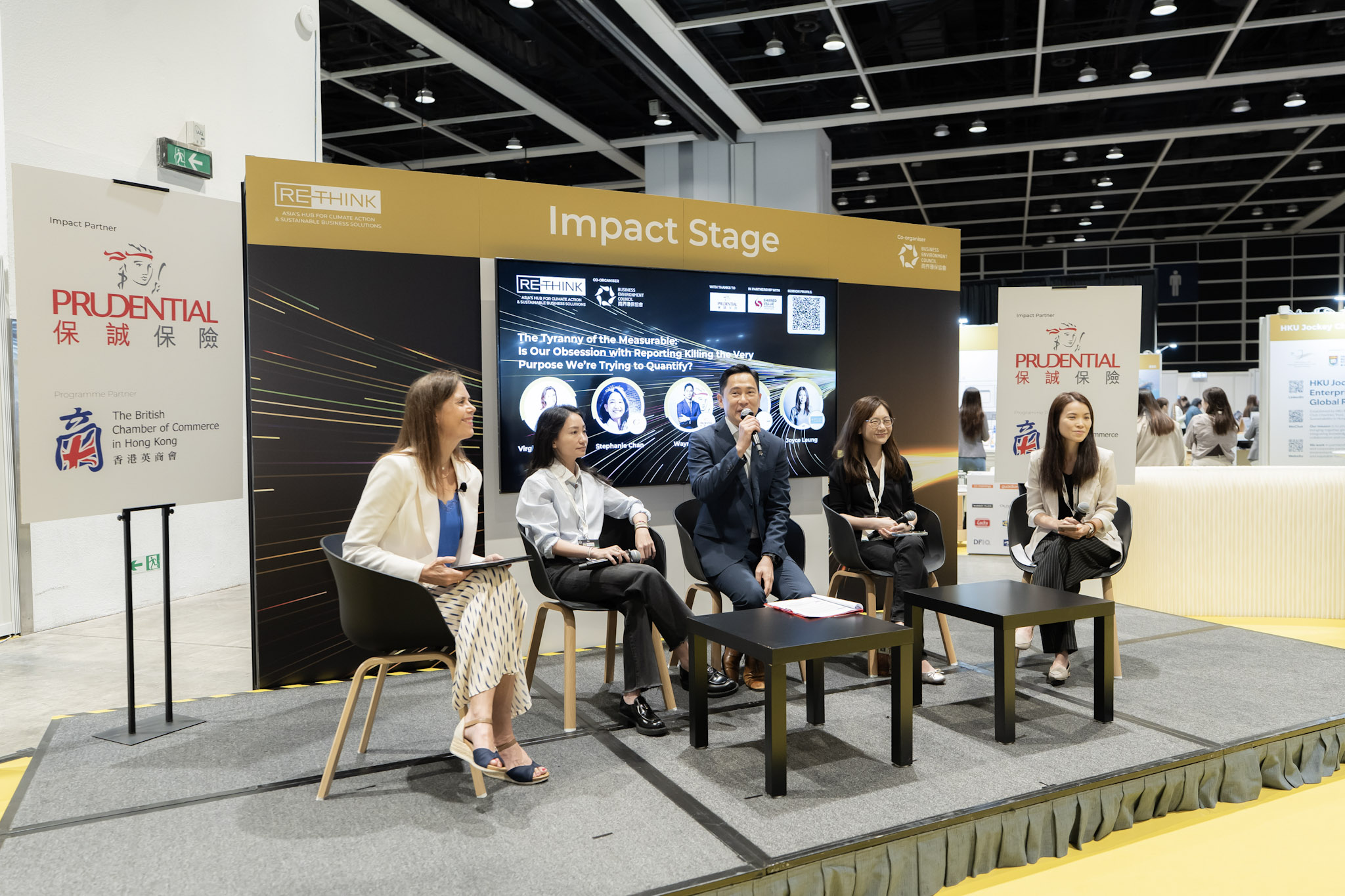
“What gets measured gets managed.” It’s the line every dashboard and KPI hides behind. What we tend to forget is the rest of the quote, often attributed to Peter Drucker: even when it’s pointless to measure, and even when it does harm. That tension was the starting point for our panel at ReThink HK 2026, curated by Shared Value Initiative Hong Kong for the Impact Stage. Moderated by our CEO Virginie Ostrowski, the conversation brought together four practitioners who each sit at a different point of the measurement problem: Karen Lee, Senior Manager at PolyU’s J.C. DISI, Wayne Fong, Head of Corporate Affairs at Prudential Hong Kong, Stephanie Chan, Chief of Staff to the Vice Chairman at Esquel Group, and Joyce Leung, Chief Collaborator at The Yeh Family Philanthropy.
Forty minutes wasn’t enough. Here are four things that stayed with us.
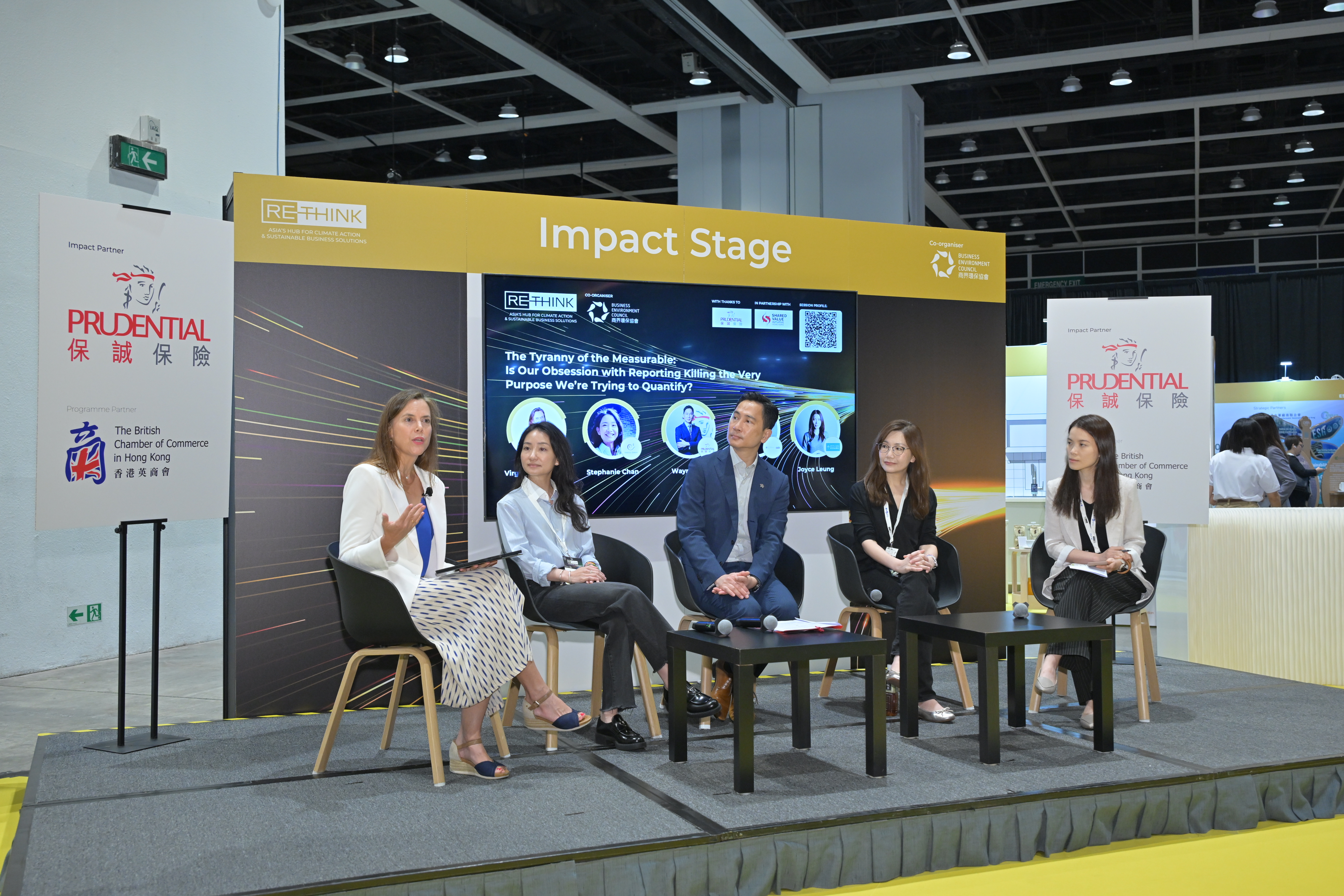
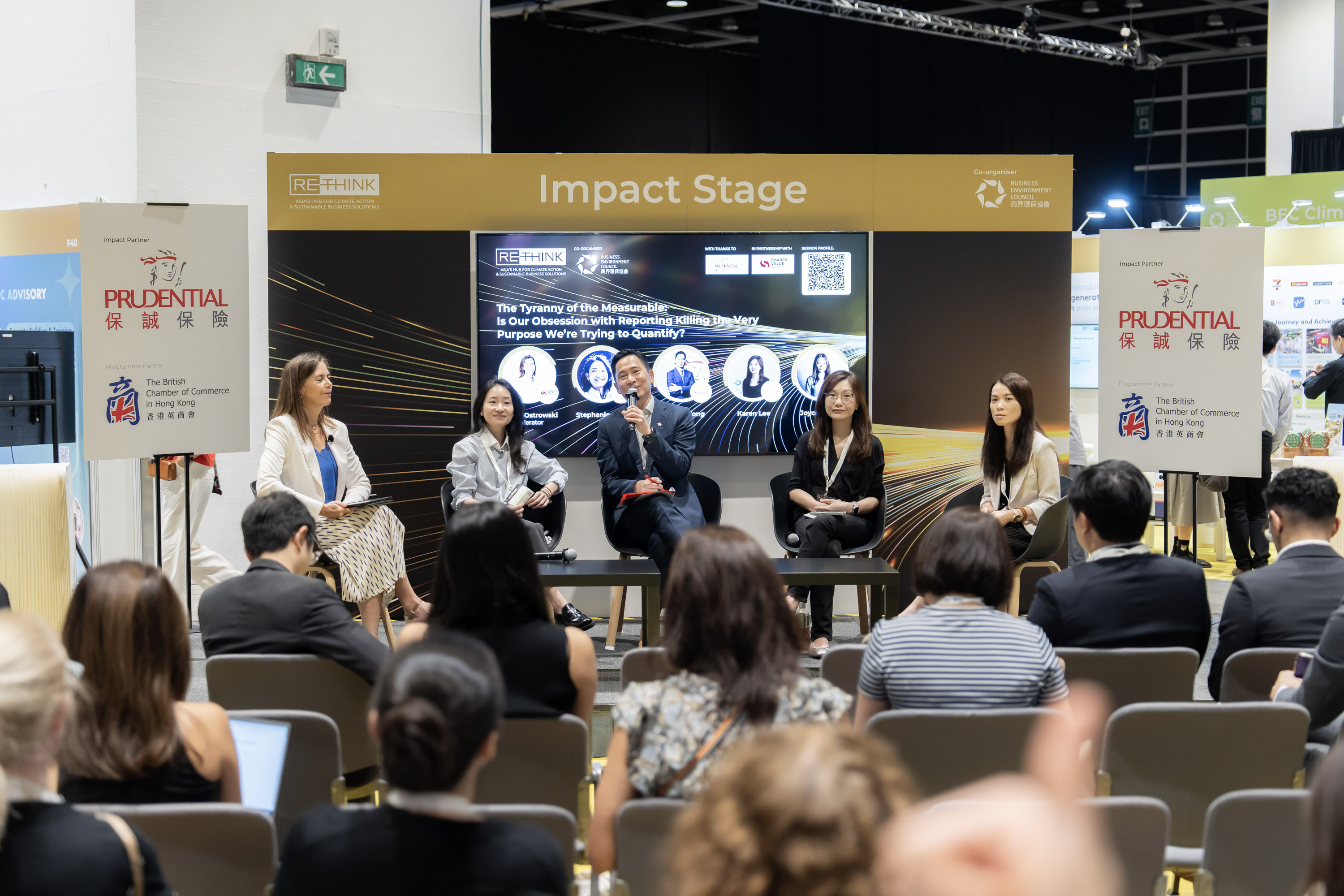
The session curated by Shared Value Initiative Hong Kong at the Impact Stage focused on social impact measurement.
1. A number without judgment can miss the point entirely
Wayne opened by naming the trap plainly: in a financial institution, numbers are the language everyone trusts. But a simple metric, like cost per beneficiary, can flatten a programme’s real strategic value. Prudential built a new measurement tool that assesses how a programme aligns with the company’s strategic priorities. Such quantitative data is paired with qualitative judgment to precisely keep a holistic perspective on social impact. The system allows a deeper understanding of how impact advances the company’s purpose.
The thread running through Wayne’s contribution throughout the session was that data should sharpen decisions, not replace them.
Align measurement with both social outcomes and organisational purpose, because investment becomes sustainable only when it creates value for people, the planet, and the business.” – Wayne Fong, Head of Corporate Affairs, Prudential Hong Kong
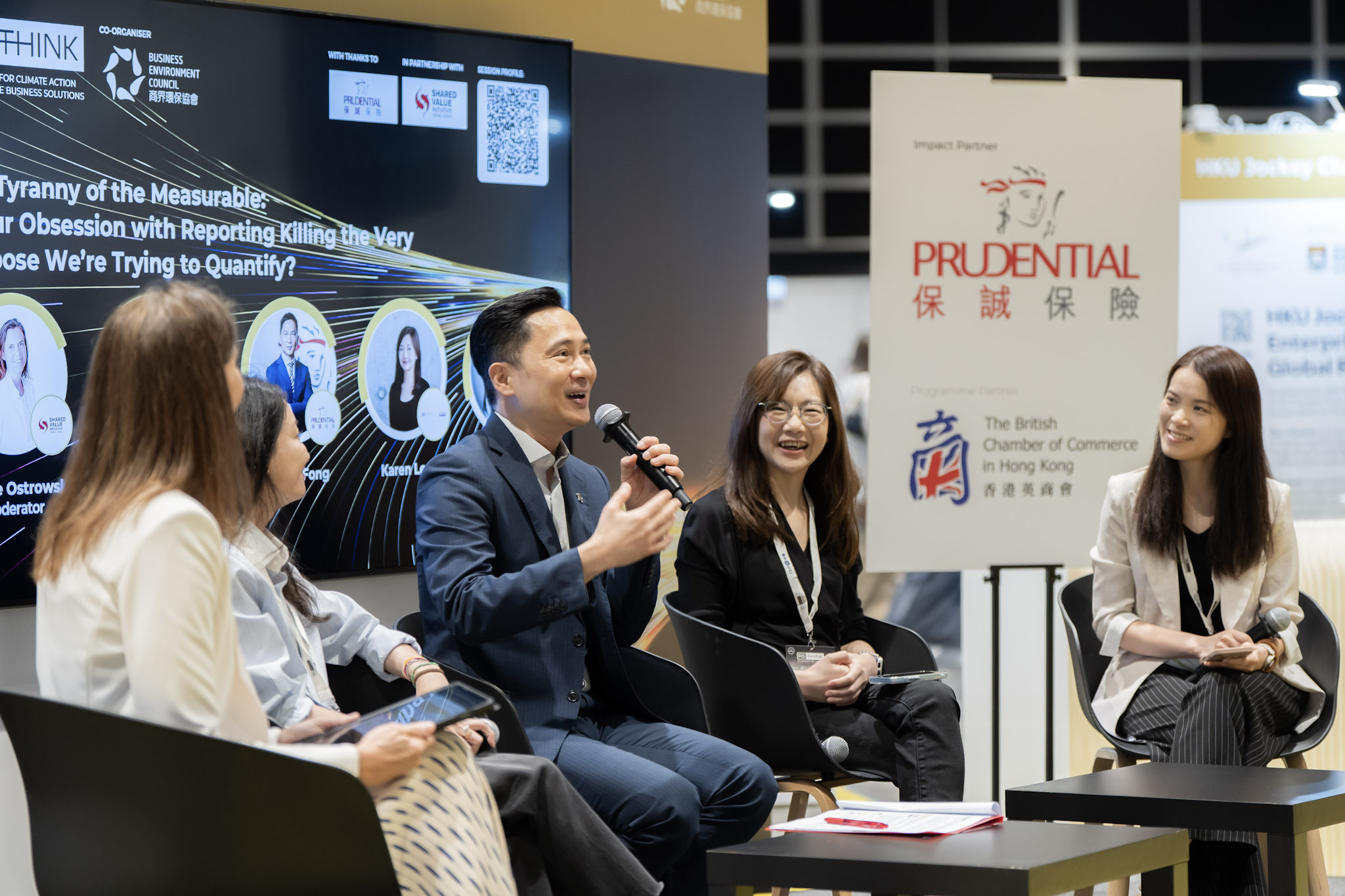
Wayne Fong, Head of Corporate Affairs at Prudential Hong Kong, started by illustrating the importance of combining qualitative and quantitative impact measurement.
2. Trust can carry more weight than the report
Stephanie’s story demonstrates that data is secondary to trust. She emphasized that sustainability KPIs and recognitions are the byproduct of good management, not the goal itself — a distinction that became especially clear to her during periods of geopolitical and market uncertainty, when the strength of long-term, trust-based relationships mattered more than any report.
As a private company, Esquel has leaned into this approach. With NGO partners, for example, Esquel operates using a trust-based philanthropic approach, supporting the long-term vision of the NGO rather than focusing solely on short-term gains or losses. Stephanie described young yak farmers who, after taking part in an internship programme at Esquel Group, transformed traditional herding into a high-tech business using drones and went on to develop ecotourism activities.
“Don’t just do it. Always consider what the point of measuring is, and do it with intention.” — Stephanie Chan, Chief of Staff to the Vice Chairman, Esquel Group
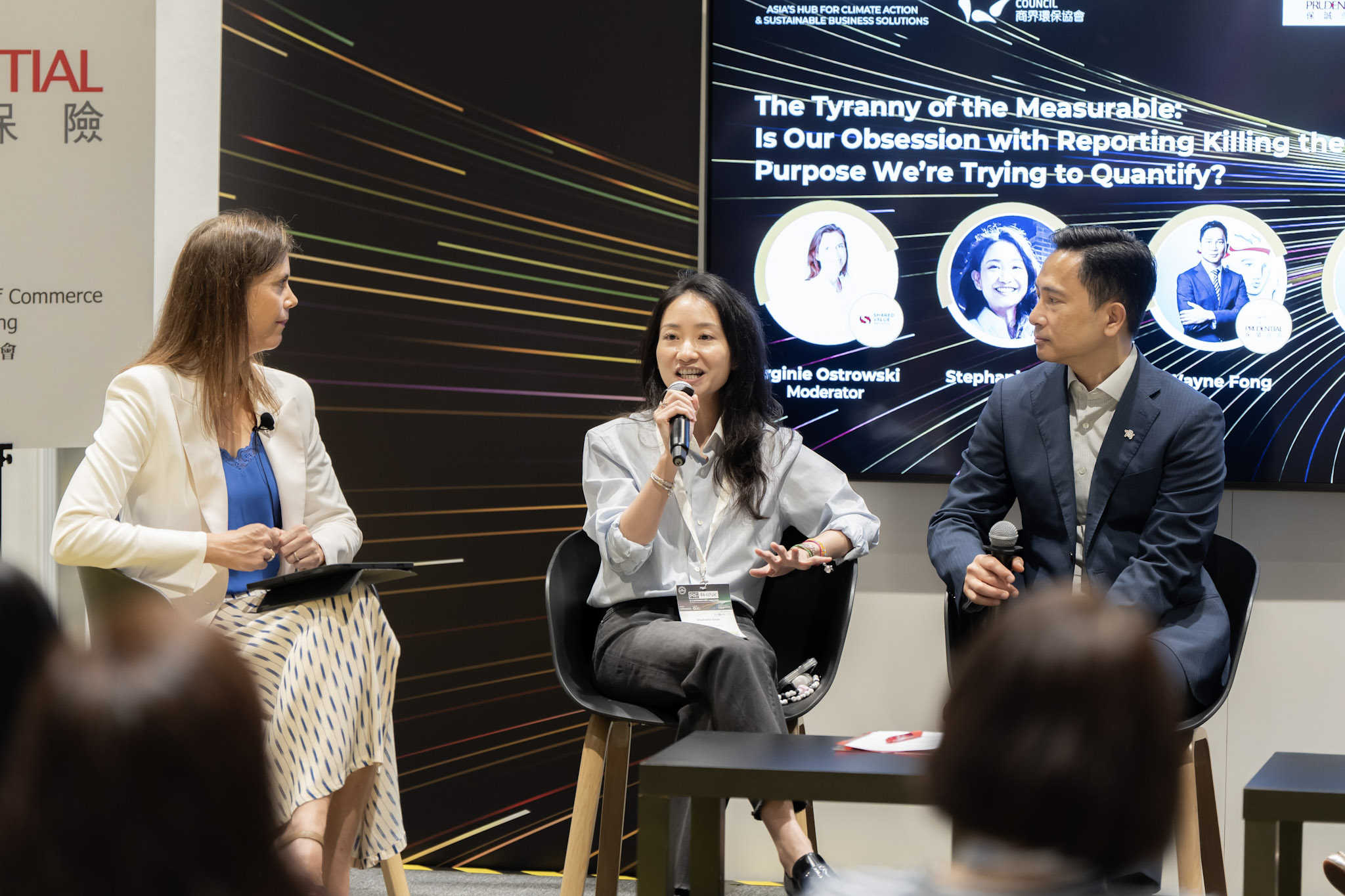
Stephanie Chan, Chief of Staff to the Vice Chairman at Esquel Group, believes in the strategical use of impact data.
3. The real value is often what’s hardest to count
Karen brought the conversation to a very practical level. She introduced the PolyU “All-age Inclusive Community Assessment Indicators” (CAI), a systematic and comparable community assessment tool, and explored how data can drive forward-looking, inclusive community planning by uncovering genuine community needs and guiding strategic social investment. At J.C. DISI, community intelligence work combines district data with the lived experience of residents, weighing severity, scale, vulnerability, access, and opportunity for impact. A neighbourhood can look well served on paper while older residents still cannot reach the services meant for them.
Her closing point made the case for social impact measurement as a valid, and often overlooked, way to see where capital creates the most value.
“Stop treating community investment as a side activity justified by goodwill, CSR, or ESG language alone. It should be the result of a broader and more intelligent understanding of ROI.” — Karen Lee, Senior Manager, PolyU J.C. DISI

Karen Lee, Senior Manager at PolyU’s J.C. DISI, combines lived experience with data to understand community needs.
4. No single organisation has to solve it alone
Joyce’s contribution moved the focus from measuring one programme to measuring an entire field. The Yeh Family Philanthropy’s portfolio supports youth social-emotional learning, and includes a collaborative mental wellbeing initiative co-funded with peer foundations. The Foundation is one of 19 organisations participating in a landscape study to identify gaps and avoid duplicating effort.
Joyce was also clear that scaling up isn’t always the goal. Some programmes are meant to go deep, some to stay small and serve a specific need well, and a “test and learn” approach means a disappointing result is treated as useful information, not failure.
“Collaboration is rarely easy, but it can unlock outcomes that no single organisation can achieve alone.” — Joyce Leung, Chief Collaborator, The Yeh Family Philanthropy

Joyce Leung, Chief Collaborator, at The Yeh Family Philanthropy, works with peers to measure impact across the entire field.
The Q&A brought some of the most engaged moments of the session, with the audience asking our speakers to go further into how their approaches work in practice. It was a good reminder that the room at ReThink HK adds as much as the stage does.
The takeaway behind the takeaways
Four different organisations, one shared point: metrics are necessary, but they are a tool, not the goal. Used well, they show where value is created or lost. Used carelessly, they narrow the focus to whatever is easiest to count.
As one panellist put it, a number isn’t there to disappoint or reassure you. It’s there to show you where the real work still needs to happen.
Shared Value Initiative Hong Kong was proud to curate this panel as Content Partner of ReThink HK 2026. Get in touch if you’d like to talk through how to measure what matters at your organisation.