October 10 each year marks World Mental Health Day, a global initiative that encourages an open dialogue to raise awareness and offer support to improve mental health and wellbeing. As an organisation that prides itself on creating a supportive professional environment for our global network of Members, this is quite naturally an important day for The Executive Centre. We view #WMHD as an opportunity to show that we are serious about our commitment to creating a safe and inclusive working environment for both our Members and our team. We hope that conversations prompted by this day will lead to sustained and meaningful change in our community and beyond.
Changemakers exist everywhere. It is no longer the case that creators of social impact are exclusively volunteers or charity workers. Today, increasing numbers of MNCs recognise a need to support the social values of their stakeholders. At the same time, more people are challenging the idea that profit maximisation is the be-all and end-all of companies. As a result, opportunities for people to create change are flourishing.
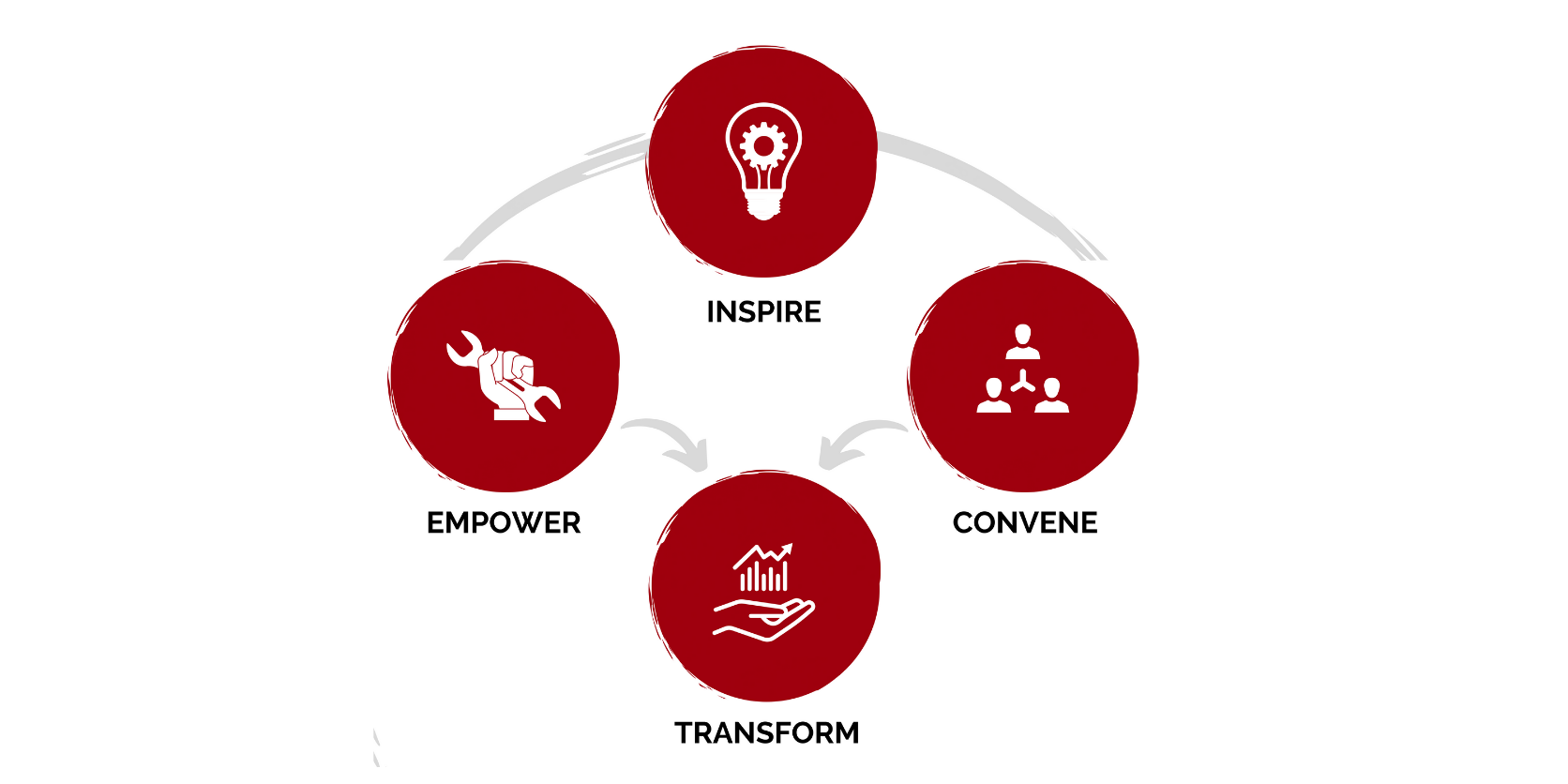
We are living through uncertain times in Hong Kong and it is more relevant than ever for the private sector to create legitimacy with all stakeholders. Creating Shared Value can be a tool for business to build this trust and Shared Value Initiative Hong Kong services are structured around four pillars to accompany corporations on this journey. These pillars underpin everything we do to drive the movement in the region.
Before joining Shared Value Initiative Hong Kong, I had spent most of my career in the luxury industry. Glamour and beauty are the perks – but for me, there was always something missing.
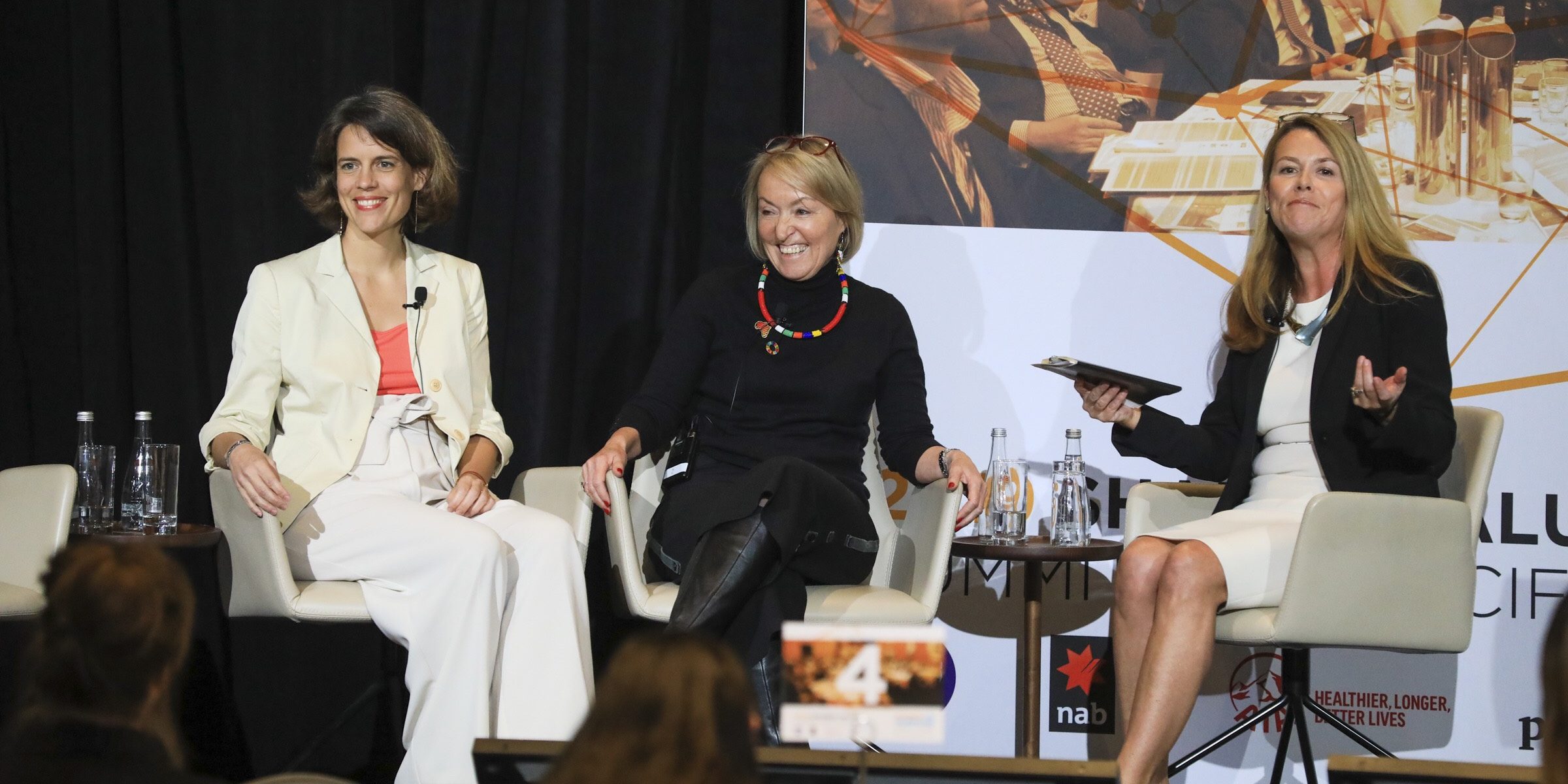
All speakers at the summit recognized that we lacked alignment on the language around creating shared value. The consensus was that CSV is part of a wider toolkit including philanthropy, CSR or the ESG framework, and that organisations can use shared value as the roadmap to achieve their purpose.
It’s been five months since I began my journey with Shared Value. As an MBA intern, I had an invaluable opportunity to combinine my passion in Shared Value creation with my comprehension of business administration.
In a world where many developed economies are facing declining populations and technology is disrupting how work gets done, the nature and needs of companies are changing. Talent is the last competitive advantage and, with the unemployment rate in Hong Kong below three percent, competition for it is fierce. What can you do entice the best and brightest?
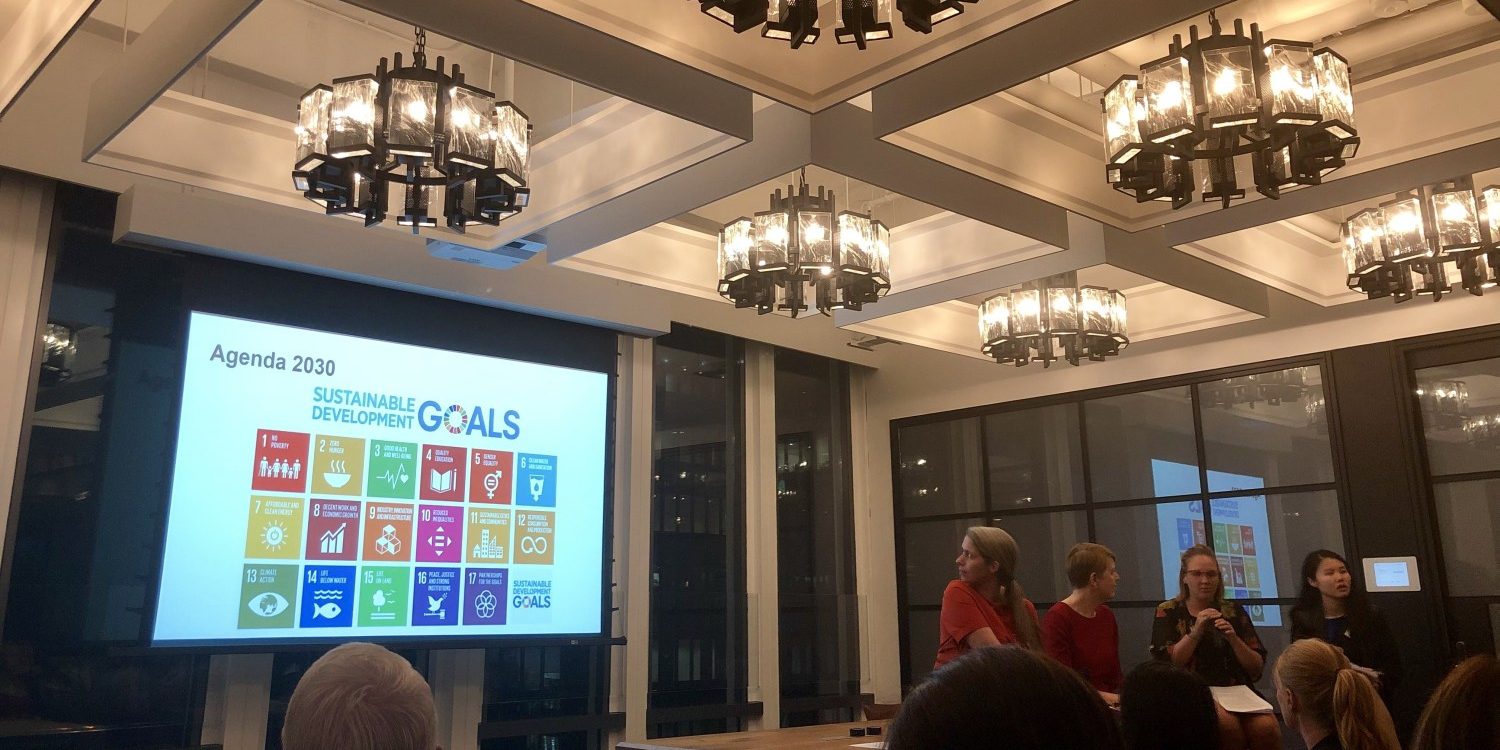
How can companies communicate their purpose and positive social impact in a way that is authentic, genuine and meaningful? Is it possible or will consumer cynicism always reign supreme? This was the topic of a Shared Value Initiative Hong Kong panel where Laura Baker spoke at recently.
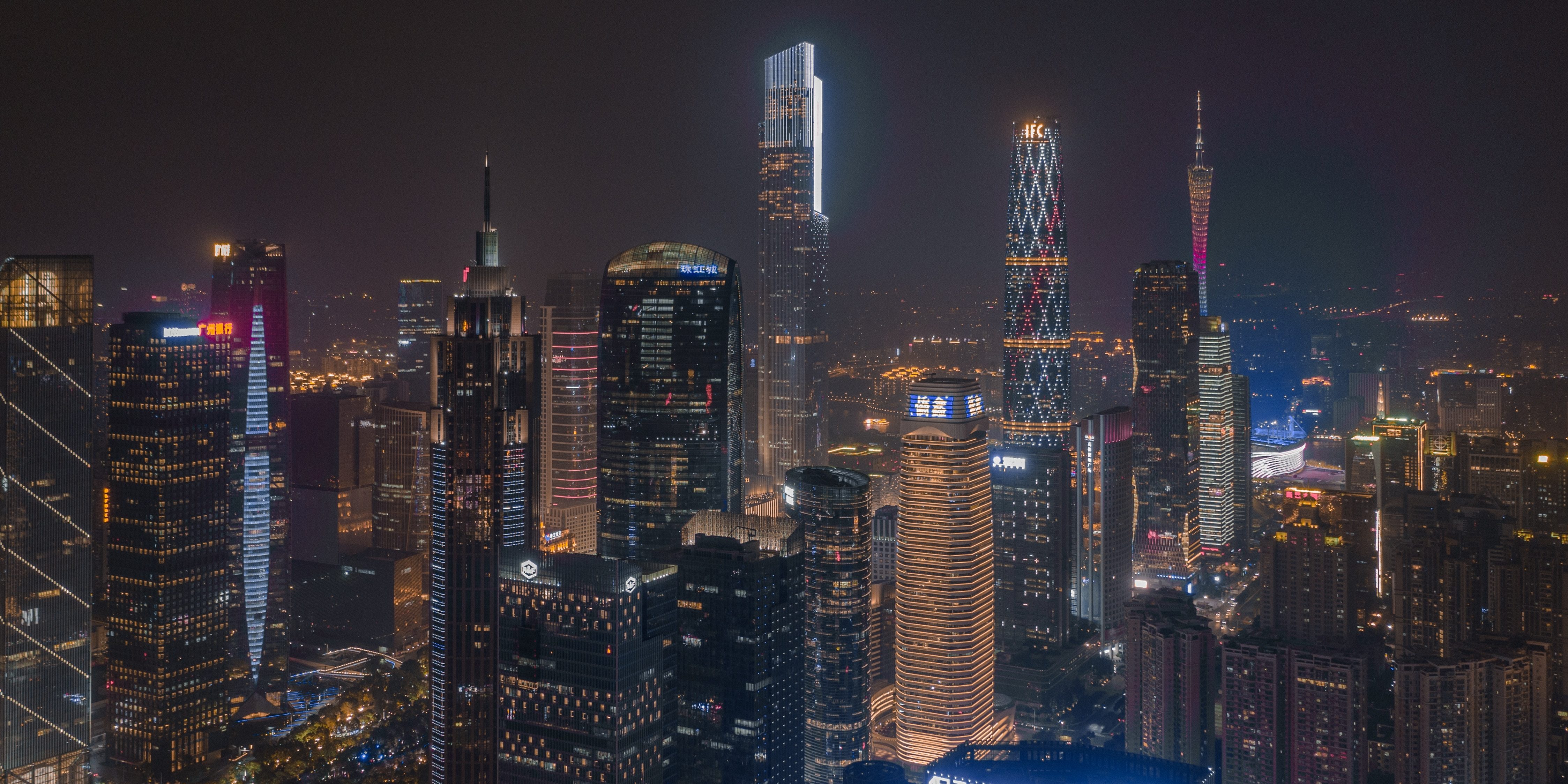
The impact of the extensive development in The Greater Bay Area for Shared Value Practitioners as interpreted from the Outline Development Plan, recently released by the PRC government (with the support of the Hong Kong SAR government), is one of great opportunity.
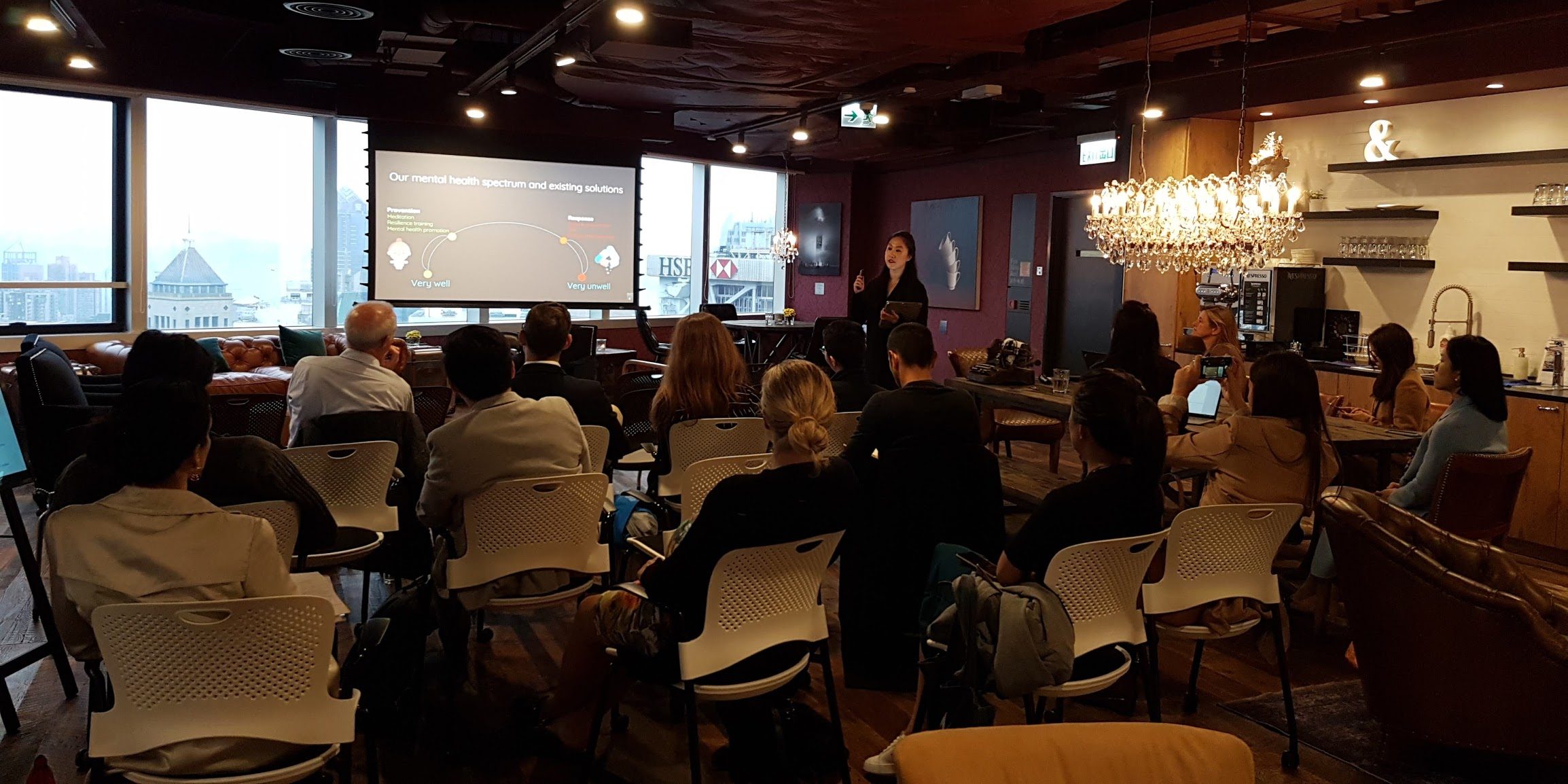
As part of SVIHK’s public talk series and under the Mental Health Initiative, Meg Lam, CEO of Neurum spoke on 18 February to a cross-sector audience on the role of technology in assessing and delivering mental health solutions, as well as intersections with Future of Work trends and digital behavioural health research.
There are increasing numbers of headlines putting sustainability into the frame for corporates to consider. This assumes that it hadn’t been a part of discussions prior to Davos’ and the launch of Green Finance. This is misleading. The current relevance is actually due to the change to its materiality and the rising risk in doing business.