In 2012/13, I was tasked to help establish a whole new government funding scheme, namely the Social Innovation and Entrepreneurship Development (SIE) Fund, with an aim to provide impetus to propel the development of social entrepreneurs and build the local social innovation ecosystem. At the time, the government had been providing resources to fund and support the development of the social enterprise sector for almost a decade. The staunch support from the government had already enabled the social enterprise sector to flourish and gain recognition generally in Hong Kong.
Over 90 percent of consumers say it is important for companies to show they are committed to doing the right thing, according to a recent seven-market study by FleishmanHillard’s TRUE Global Intelligence practice. The report, COVID-19 Mindset: The Collision of Issues, analyses the inflection points taking place around the world as consumers’ thoughts and approaches to their health and finances shift, and expectations of their government, community, employers and each other change.
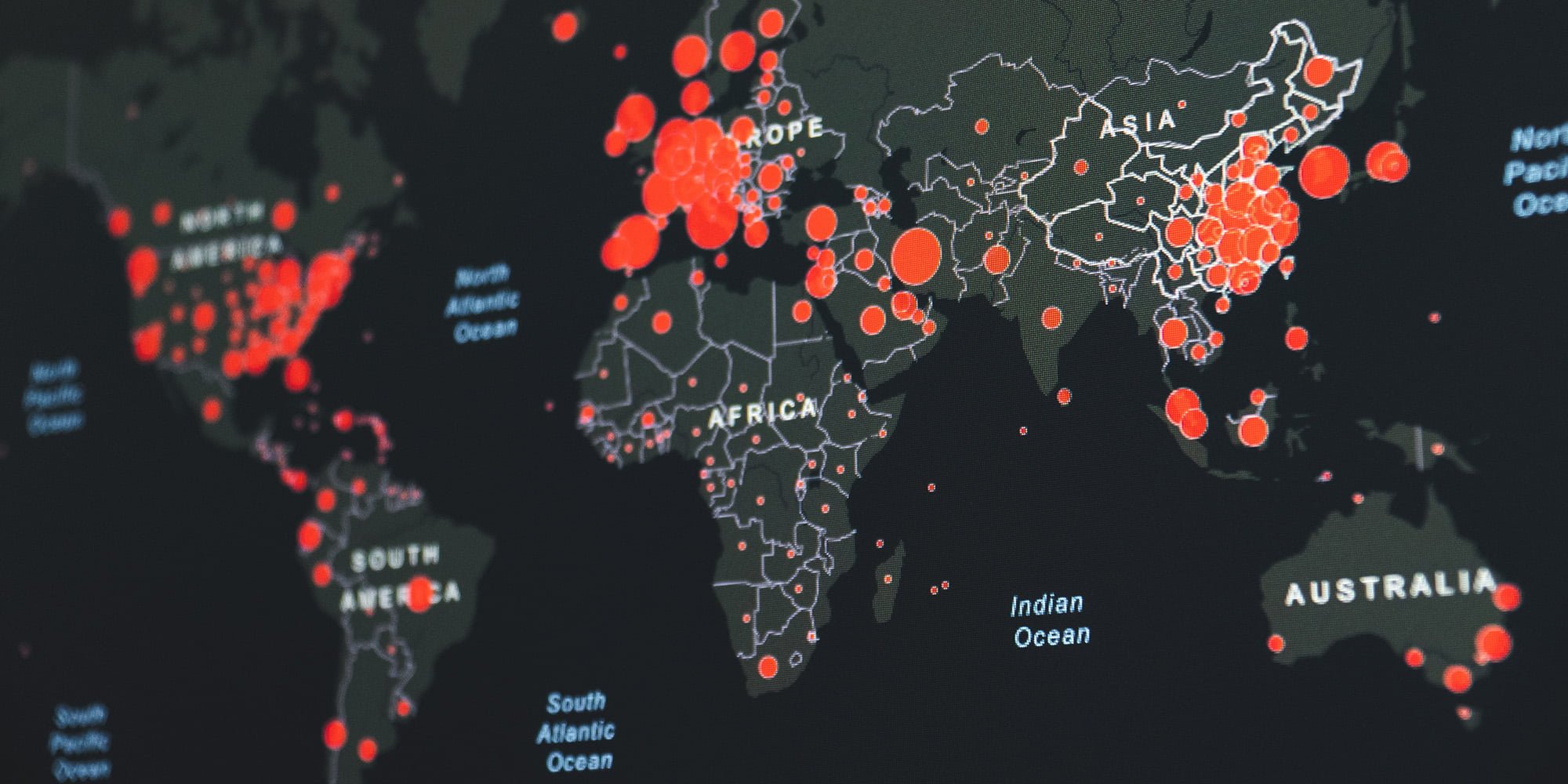
During the early months of the global pandemic, we frequently heard and used the expression “in a post-COVID-19 world” when thinking about the future. Now, after four months of sheltering in place and no clear path to a new “normal,” we’re beginning to hear the phrase “life in a COVID-19 world.”
As the world has learned to cope with the pandemic and started to look ahead to long-term recovery, we all keep hearing about the need to “build back better”, increase resilience and not go back to the way things were. Easy to say, but what exactly does that look like? How do we truly transition to rebuilding a “new economy” that is more inclusive and sustainable, using what we have learned in the past few months?
Covid-19’s relentless exposure of inequality provides us with a unique and unprecedented opportunity. The pandemic is driving awareness around the broader issues faced by women in society. Companies need to understand women are a key nexus in how value is shared and created between a company and the local community. Basic steps they can take is by demonstrating Creating Shared Value (CSV) and highlight inclusivity in how we measure, support and produce social value to ensure gender parity in pay or increase the number of women in leadership.
As Hong Kong battles to prevent a next wave of COVID-19, some companies continue to focus on near-term survival while others begin to shift from crisis recovery to building resiliency to adapt to the new normal. SVIHK advisor Philo Alto discusses how building resiliency via Shared Value approaches can align companies’ activities with, rather than extract from, the natural world and tackle the climate crisis.
The Covid-19 outbreak has triggered inspiring reactions from the private sector to support communities with philanthropy and Corporate Social Responsibility initiatives. The question is how do we maintain this momentum on the medium and long term with Shared Value?
It’s been six months since I started my journey at Shared Value Initiative Hong Kong. And what an experience it has been! I witnessed the impressive growth of the thriving social innovation start-up – promoting Creating Shared Value (CSV) and guiding our corporate members on their Shared Value journey.
As a purpose practitioner for eight years and a purpose ambassador for decades, I was thrilled to hear, back in December 2017, that Shared Value Initiative Hong Kong would create a platform to build this compelling global movement right here in Asia, where leaders and their teams are creating Shared Value and influencing the business world to be a force for good.
Everyone can contribute to solving our world’s grand challenges, and this could be one of the biggest opportunities of our time – for individuals, for business, and for the benefit of all people around the globe.
The world is changing at a staggering pace and in order to keep up, businesses must adapt. But isn’t that what business does best – adapt? At least the successful ones: they innovate to stay relevant and ahead of the competition. So why does it seem so difficult for the private sector to adapt to the change this time?
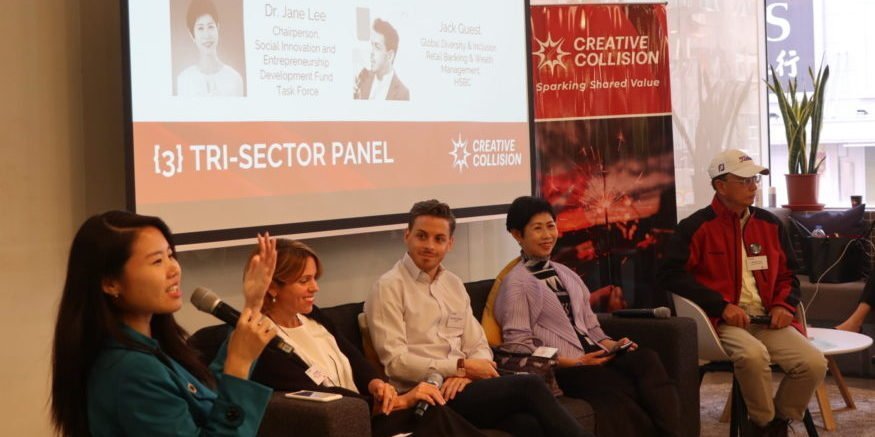
On 27 Nov., we convened CREATIVE COLLISION 2019, our first non-conference and largest tri-sector event yet, bringing together business, civil society, public sector and social innovation leaders to spark Shared Value action. More than 130 people attended, not counting volunteers (our de facto youth delegates), well exceeding our expectations. This was the first time we truly brought together our business community with our social innovation partners and public followers, with resoundingly positive feedback.
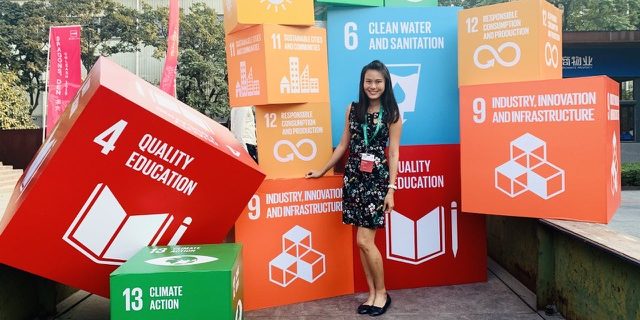
I was fortunate to join 1000 young talents across 162 countries who gathered in Shenzhen, China from 6 to 13 November 2019. It was the third year of the UNLEASH initiative; a global innovation lab transforming insights into implementable and scalable solutions for the 2030 Sustainable Development Goals (SDGs). UNLEASH aspires to provide next generation solutions for the SDGs by igniting much needed change.