支持在職媽媽:一個共享價值項目
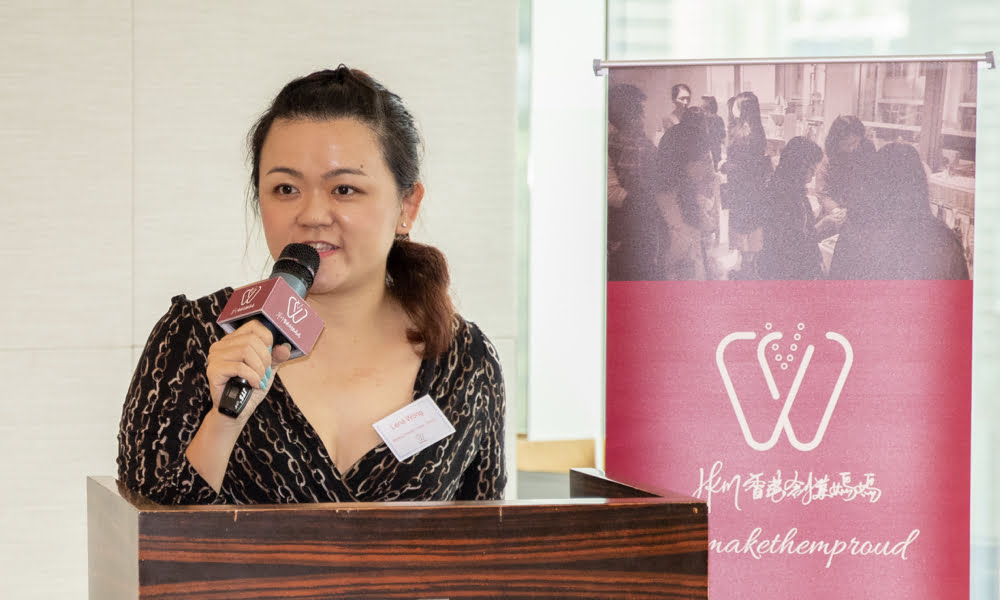
Hear from Lena Wong, founder, Hong Kong Momtrepreneurs and co-founder, WoMentors, who works to bring back mothers in the workforce.



Hear from Lena Wong, founder, Hong Kong Momtrepreneurs and co-founder, WoMentors, who works to bring back mothers in the workforce.
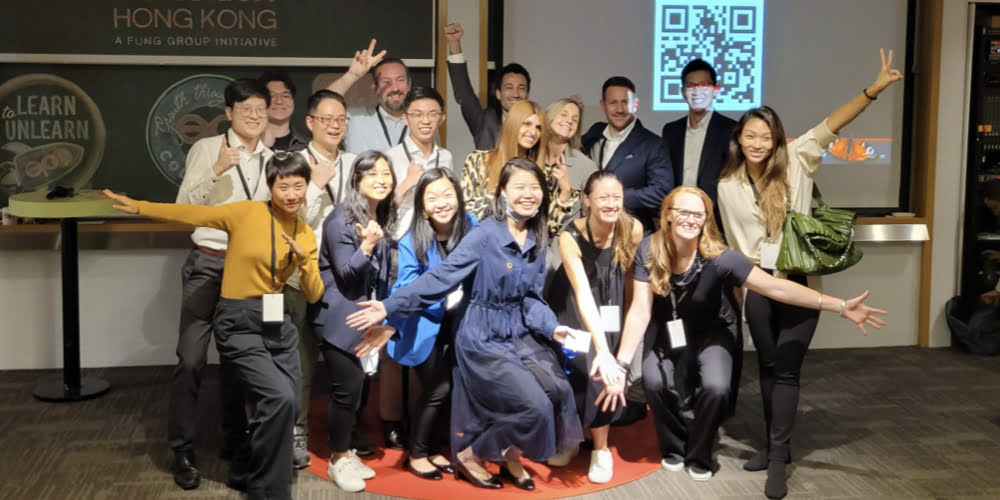
十年前,在數名先驅者的願景及推動下,共享價值運動於哈佛商學院誕生。他們希望找到一種全新的方式來推動商業力量以應對社會上仍有待解決的挑戰。
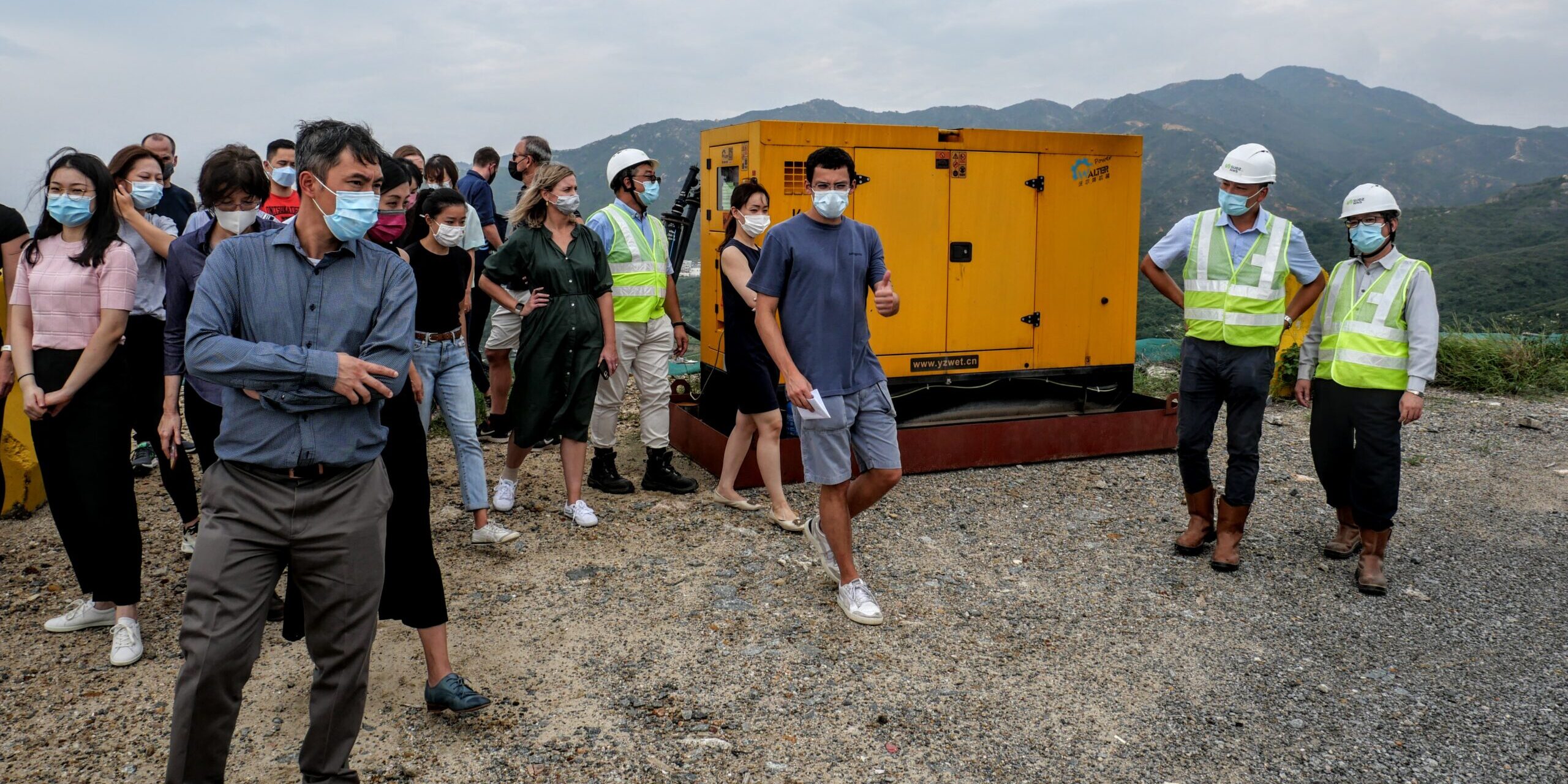
In early August, Shared Value Initiative Hong Kong (SVIHK) led 20 corporate participants on a Circular Economy field trip. The objective was simple yet ambitious: provoke the fierce reactions it requires to trigger changes among our partner companies represented that day.

François Fevrier, CEO of Water in SUEZ Asia, tells us about their subsidiary Macao Water, which has helped save 2 million m3 of water and is recognized as the benchmark of performance excellence in China’s water industry.
蘇伊士亞洲的水務首席執行官 François Fevrier 向我們介紹子公司澳門自來水。該公司已幫助節約了200萬立方米的水資源,更被公認為中國水務行業卓越表現的楷模。
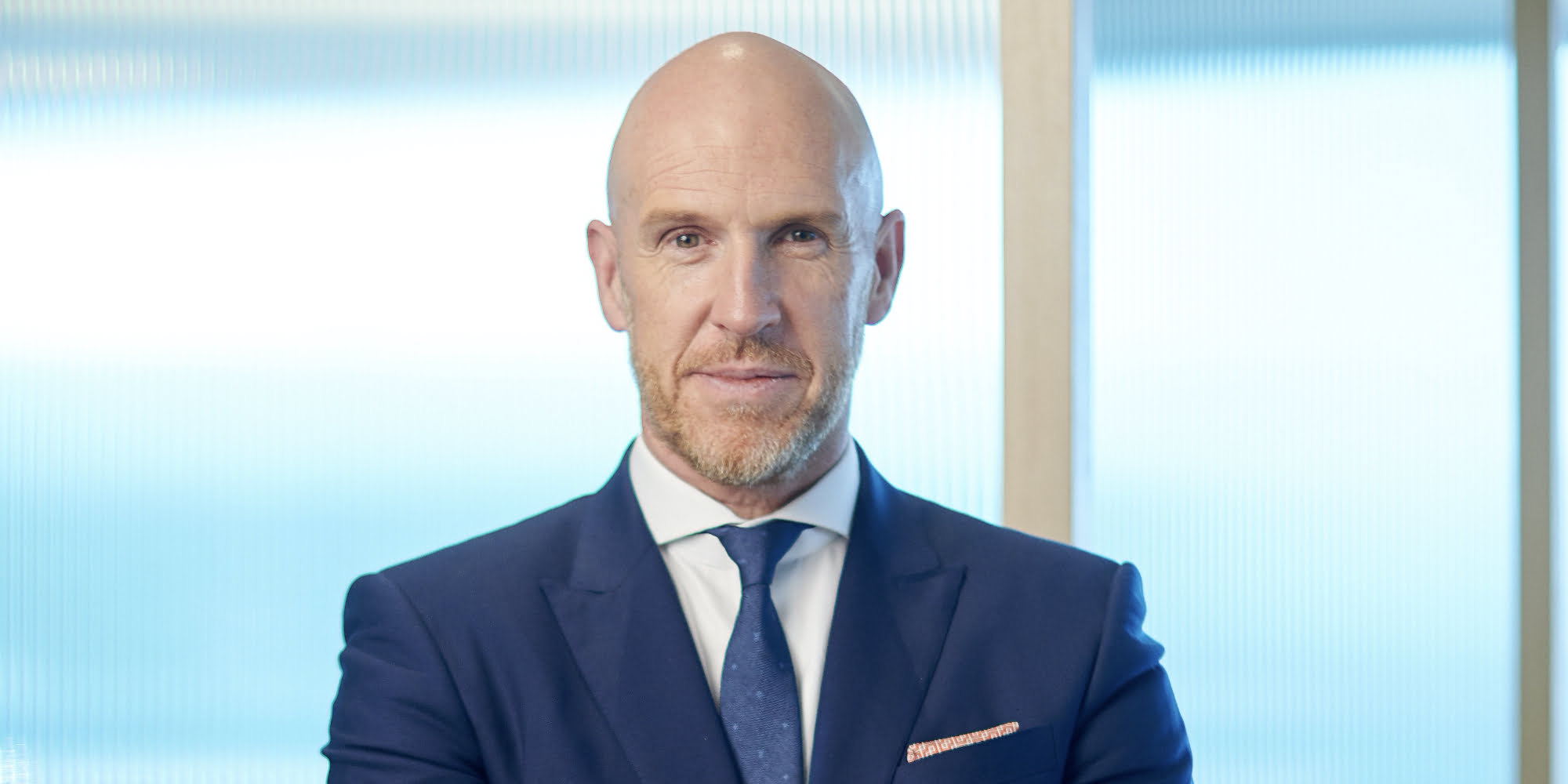
AXA 亞洲和非洲區首席執行官韋國敦(Gordon Watson) 解釋了他如何接受今年慶祝成立 10 週年的全球運動“共享價值”,並成為“Shared Value Project Hong Kong”(現更名為“Shared Value Initiative Hong Kong 共享價值計劃香港”)的創始主席

雀巢香港於 2017 年推出了雀巢健康兒童計劃。 在這次採訪中,雀巢香港有限公司總經理鍾美玲解釋了為什麼以及如何開展一項全球計劃,幫助兒童過上更健康的生活,同時為企業創造價值。

A great culture can create a better, more inclusive and thriving work environment that translates to better financial results, engaged, connected, inspired and higher-performing employees, deeply satisfied and loyal customers, greater top-line growth, enhanced wellbeing and more creativity. And who doesn’t want to work in, or do business with, an organisation that’s known for its awesome culture?

強大的文化可以創造一個更好、更包容和更蓬勃的工作環境,從而轉化成更好的財政業績、高投入度、緊密聯繫、受到啟發和更佳表現的員工、打從心底滿意和忠誠的客戶、更大的收入增長、增強全面健康並更富創造力。誰不想在一個以其令人驚艷文化而聞名的公司工作,或與它做生意?
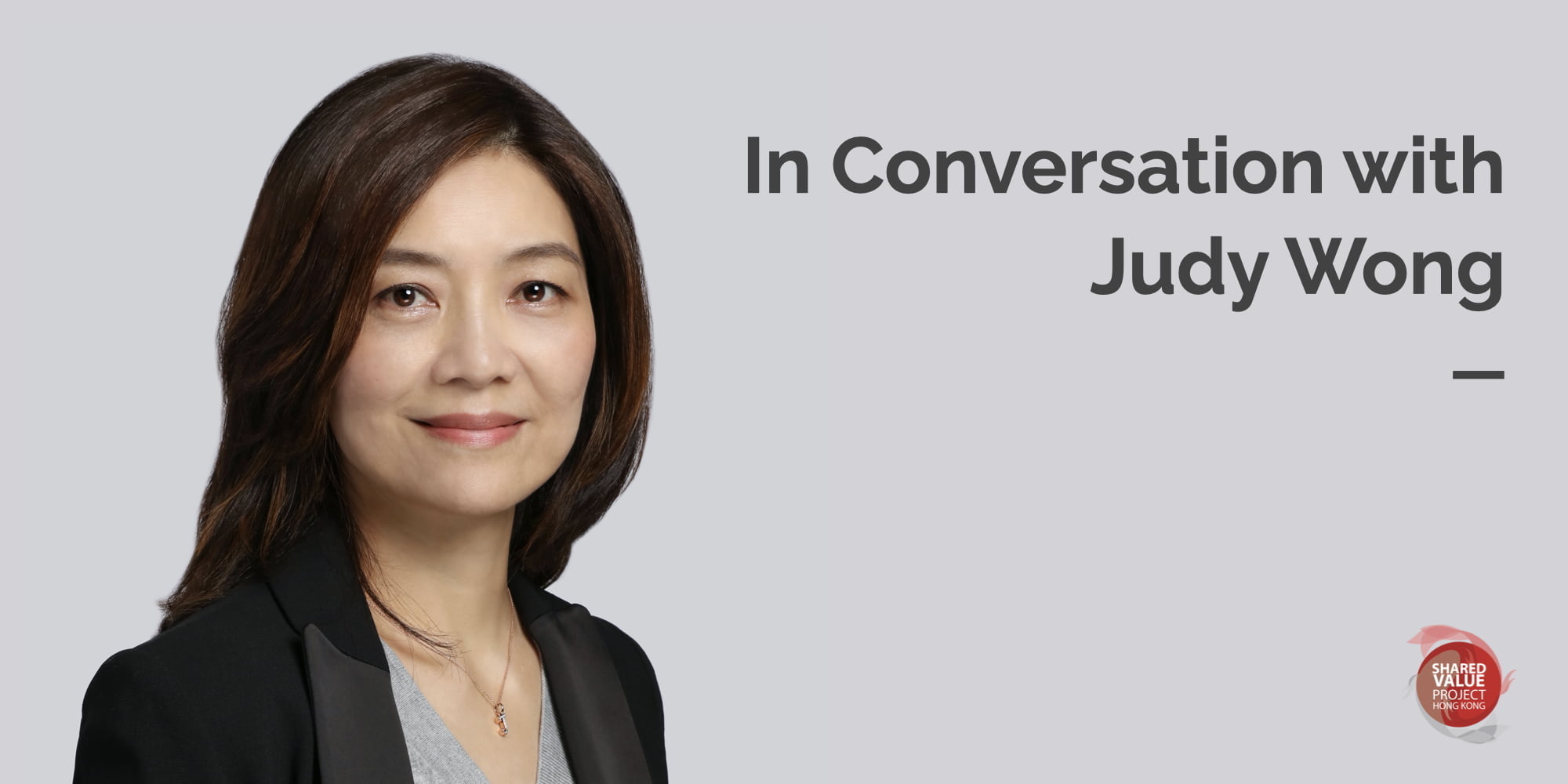
在這次訪談中,卓佳集團的集團總法律顧問兼首席合規官、以及共享價值香港的總監黃德君小姐(Judy Wong)將解釋卓佳如何以意向工作組合解決痛點為目標,以及這種前瞻性的做法如何幫助他們渡過疫情。
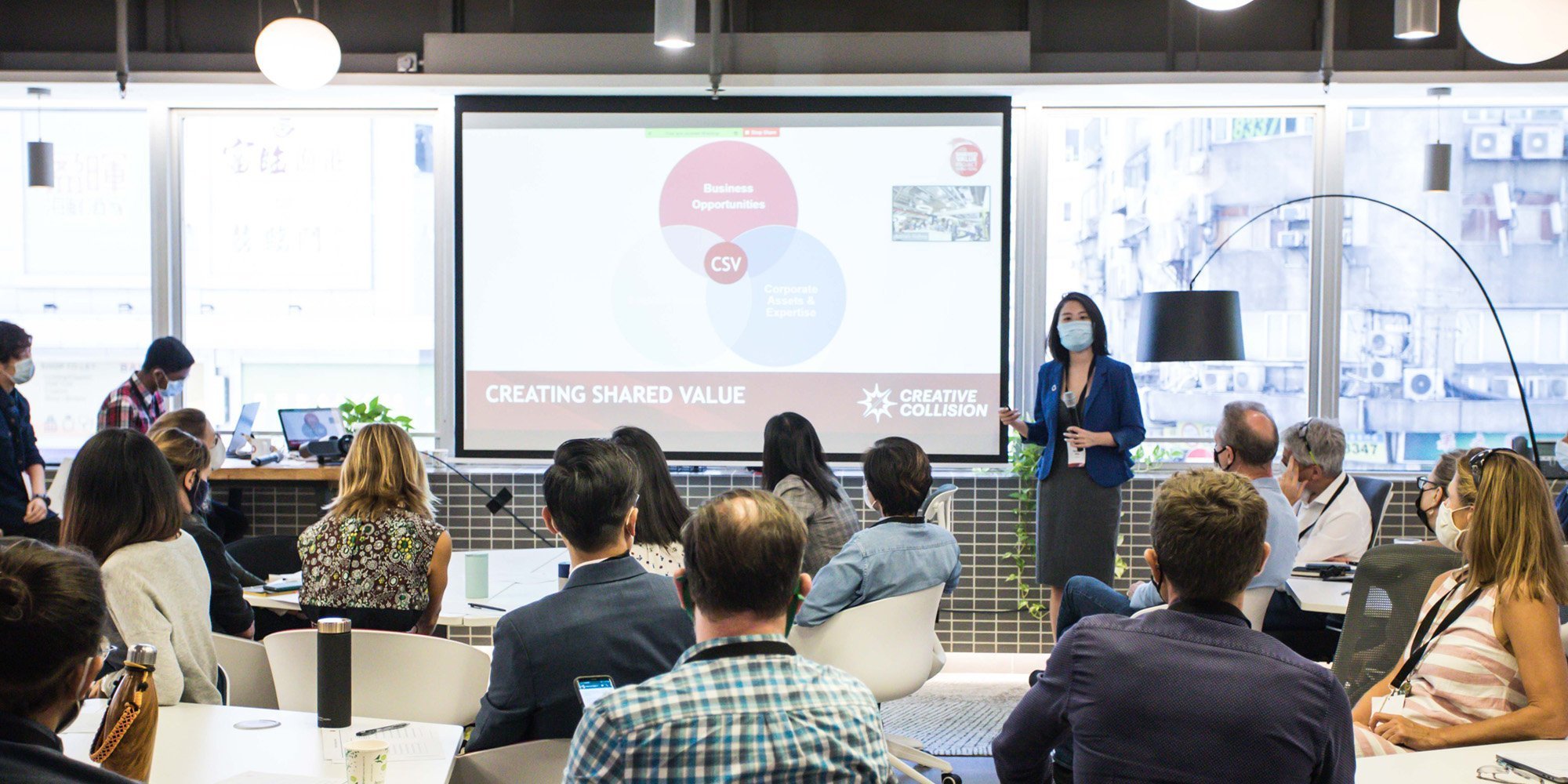
Reflecting on the last few months of industry events, partner conversations and Member meetings, here are my observations on some major barriers to social innovation in Hong Kong. Some of my views may be unpopular, but then again we’re not here to be mainstream. Alongside each is an example of what we’ve tried in overcoming that barrier, in case it’s useful to others.
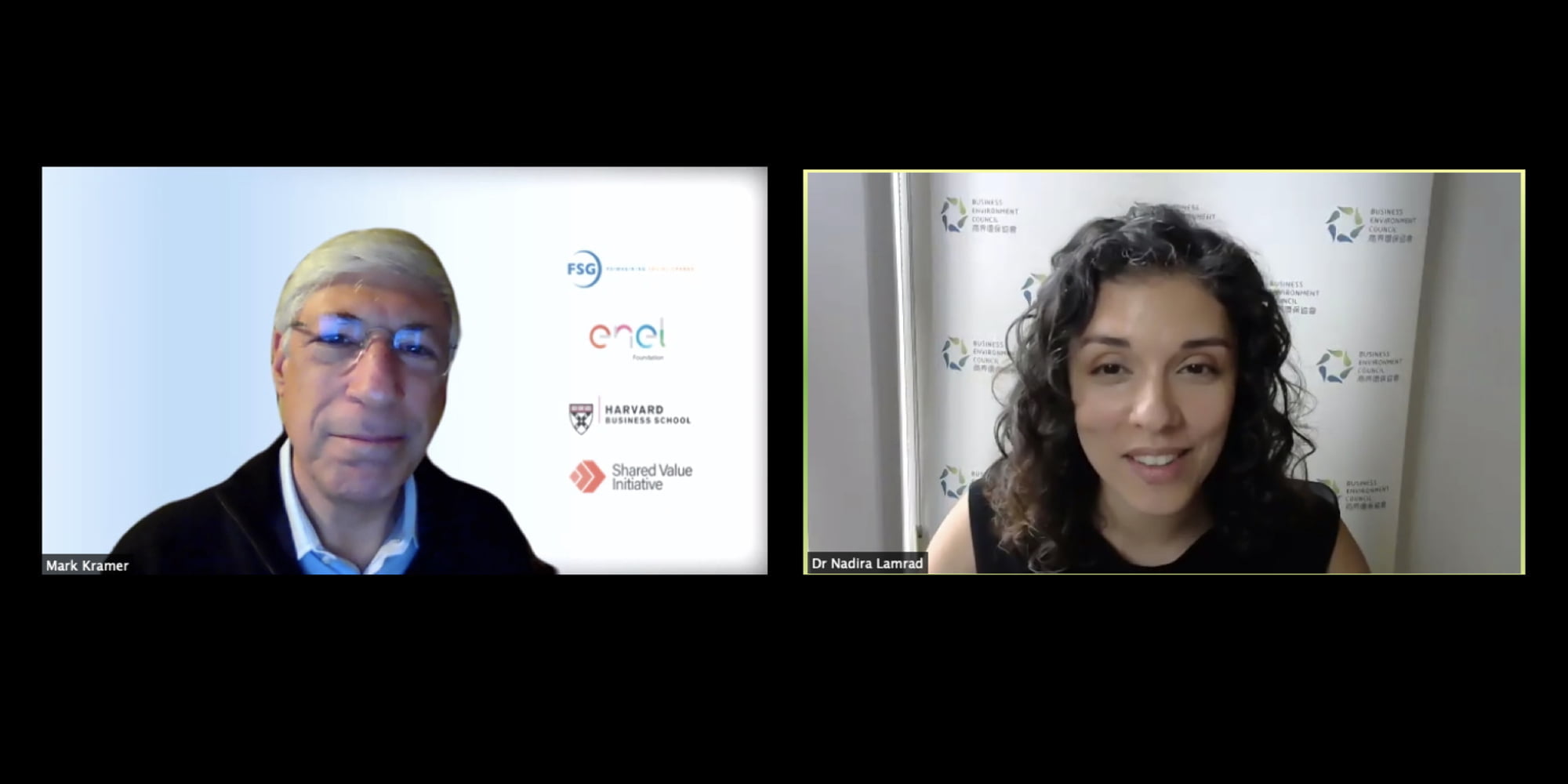
As a sustainability professional, I often heard versions of the same message: “sustainability is for rich companies that have money to spare”. Over the years, this outlook has changed in part due to greater exposure to climate risks. Before we truly understood the magnitude of the Covid pandemic, the World Economic Forum Global Risks Report’s top risks in terms of likelihood and impact heavily featured environmental issues.