
一系列以义向为导向的实践,以最大限度地发挥影响
在这次访谈中,卓佳集团的集团总法律顾问兼首席合规官、以及共亨价值计划香港的总监黄德君小姐(Judy Wong)解释卓佳如何以目的工作组合解决痛点为目标,以及这种前瞻性的做法如何帮助他们渡过疫情。



在这次访谈中,卓佳集团的集团总法律顾问兼首席合规官、以及共亨价值计划香港的总监黄德君小姐(Judy Wong)解释卓佳如何以目的工作组合解决痛点为目标,以及这种前瞻性的做法如何帮助他们渡过疫情。
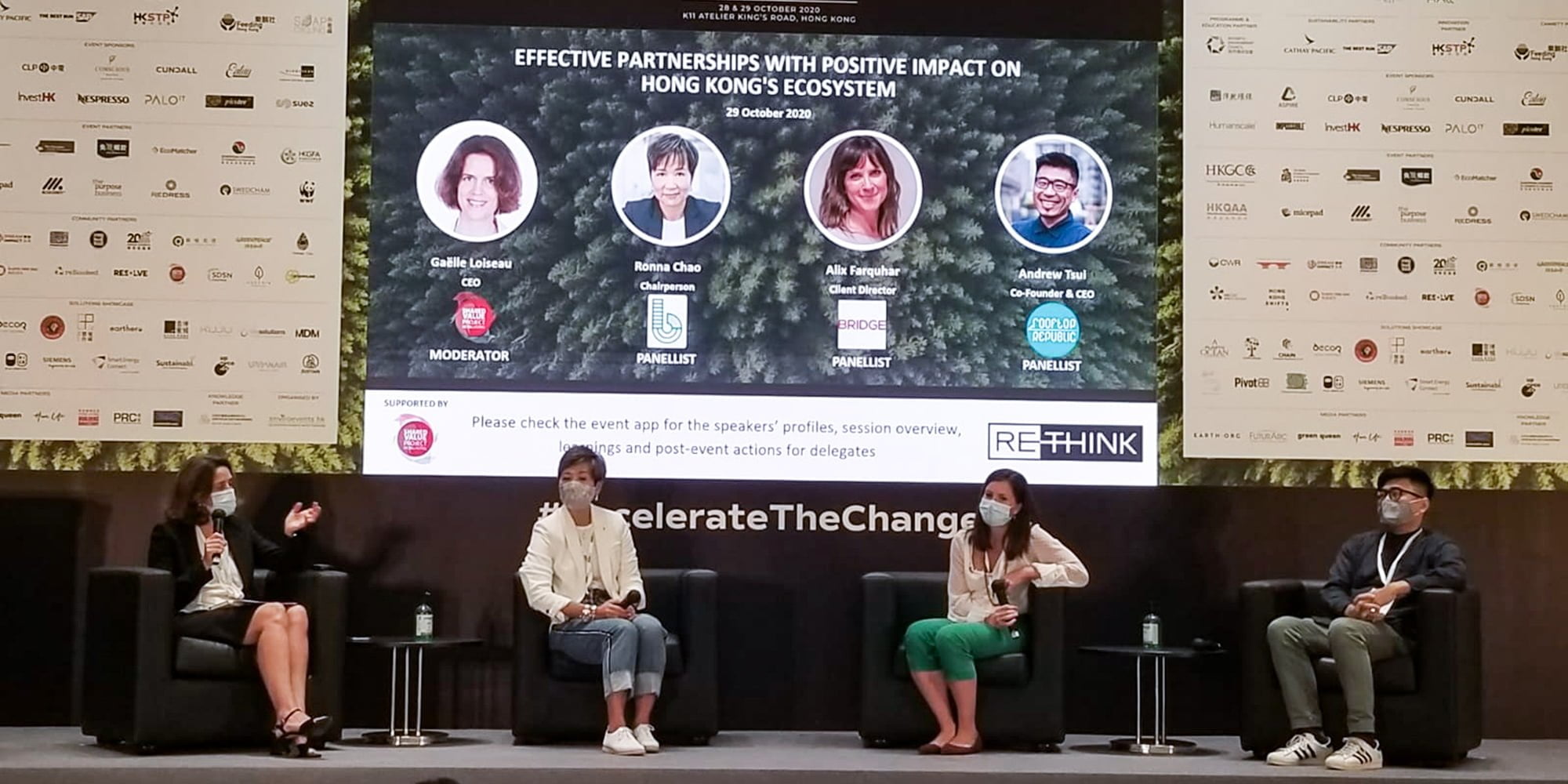
ReThink, Hong Kong’s sustainability forum held 28-29 October, set itself a high bar by asking from the outset, how can we help businesses accelerate change towards a more sustainable future? Moderated by SVIHK CEO Gaëlle Loiseau, the panel ‘Effective partnerships with positive impact on Hong Kong’s ecosystem’, dug deep into this question by focusing on the ‘how’, and recognising that attempting change at scale in isolation is futile unless players join together for greater impact and intentional Shared Value.
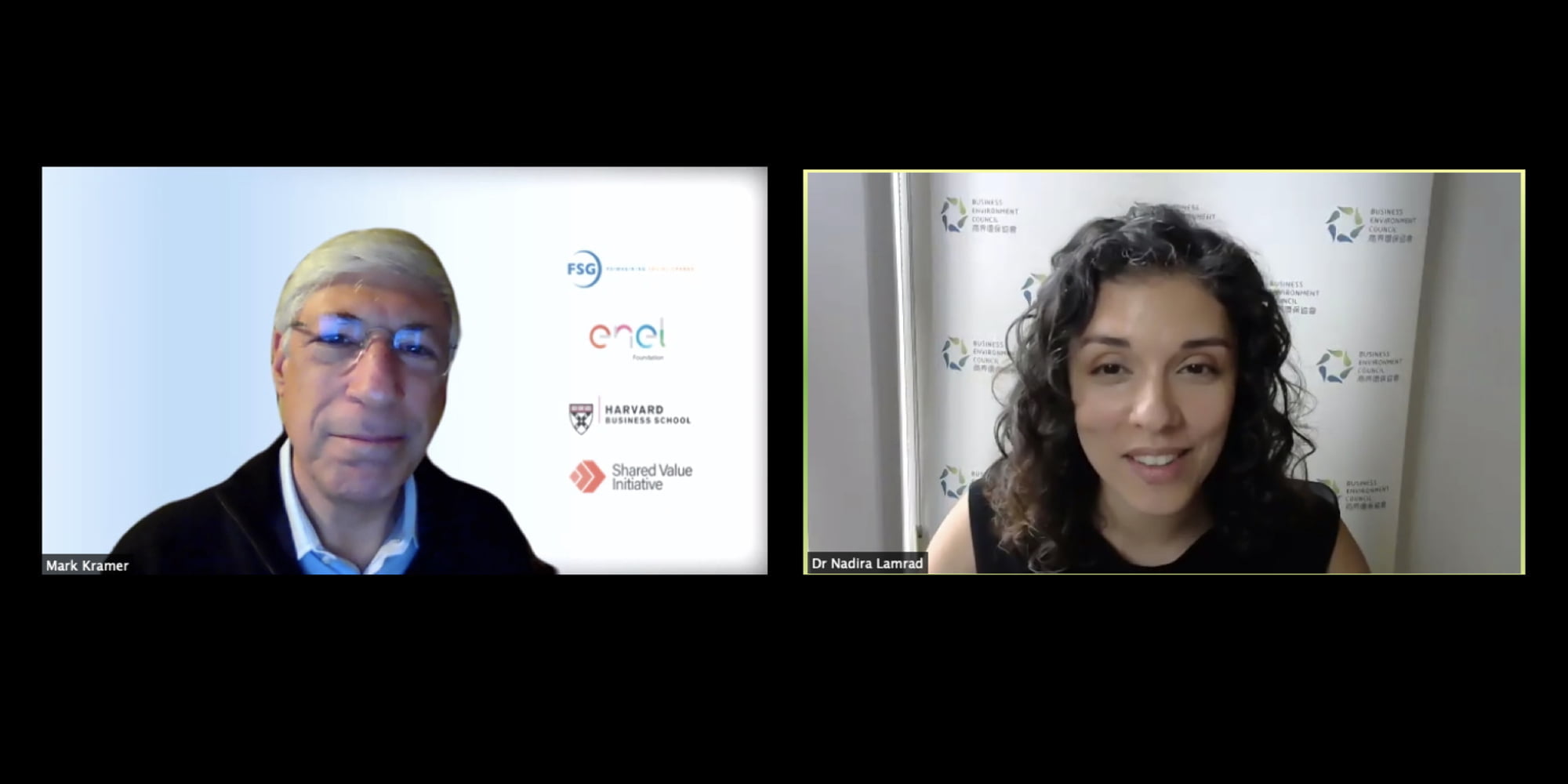
As a sustainability professional, I often heard versions of the same message: “sustainability is for rich companies that have money to spare”. Over the years, this outlook has changed in part due to greater exposure to climate risks. Before we truly understood the magnitude of the Covid pandemic, the World Economic Forum Global Risks Report’s top risks in terms of likelihood and impact heavily featured environmental issues.
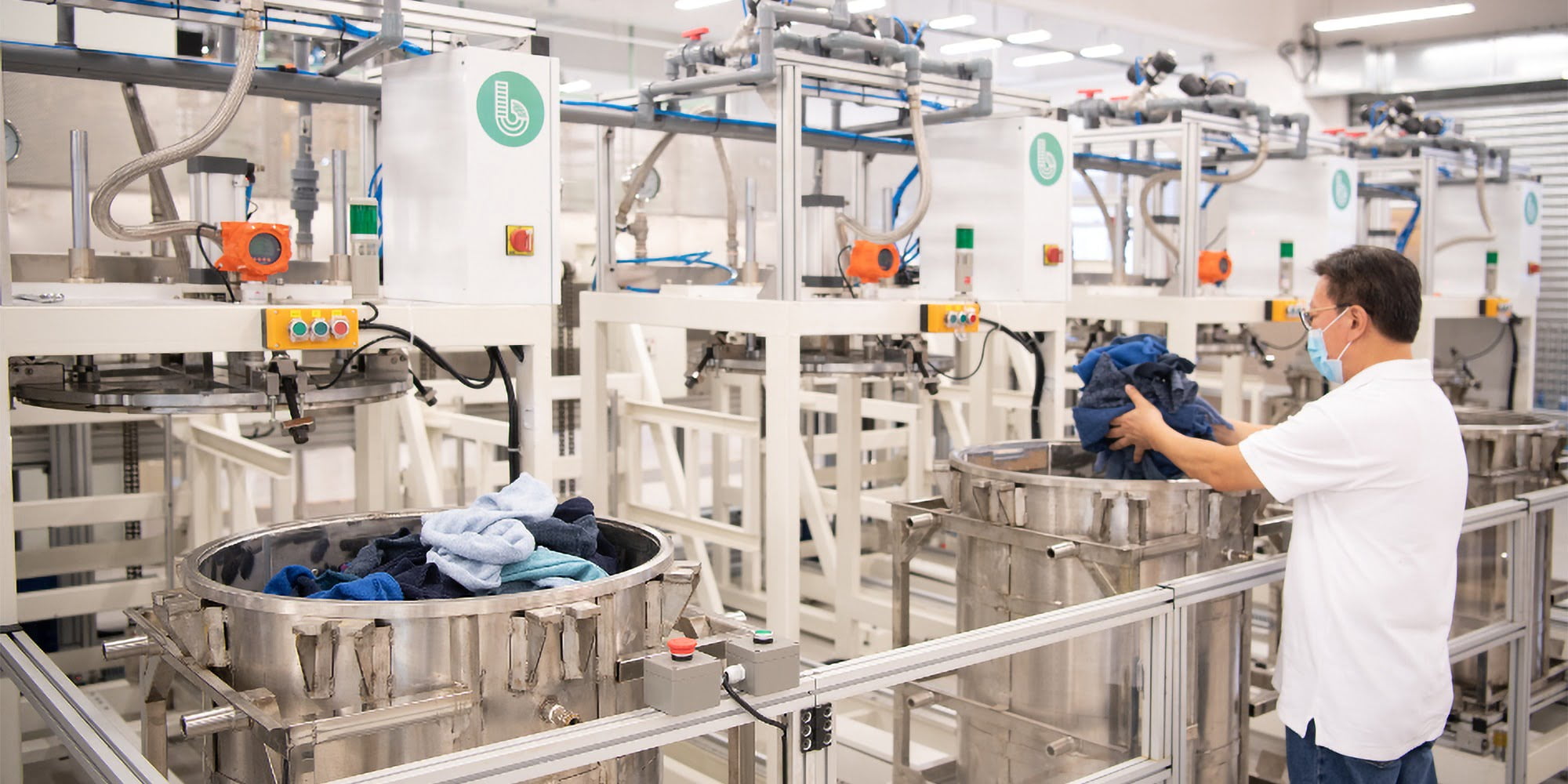
In 2018, Novetex launched The Billie System in Tai Po, Hong Kong. With this sustainable initiative, the company upcycles textile waste into new yarn, thereby creating competitive advantage while addressing a pressing environmental issue.
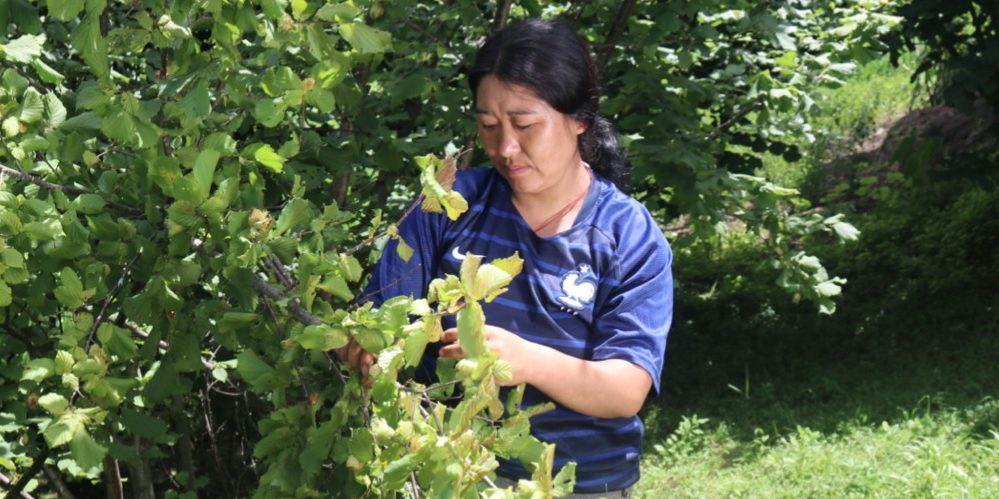
By aligning profit with purpose, Mountain Hazelnuts (MH) aims to capture 3% of the US$7 billion global hazelnut market and expects to significantly increase the income of 15% of Bhutan’s population.
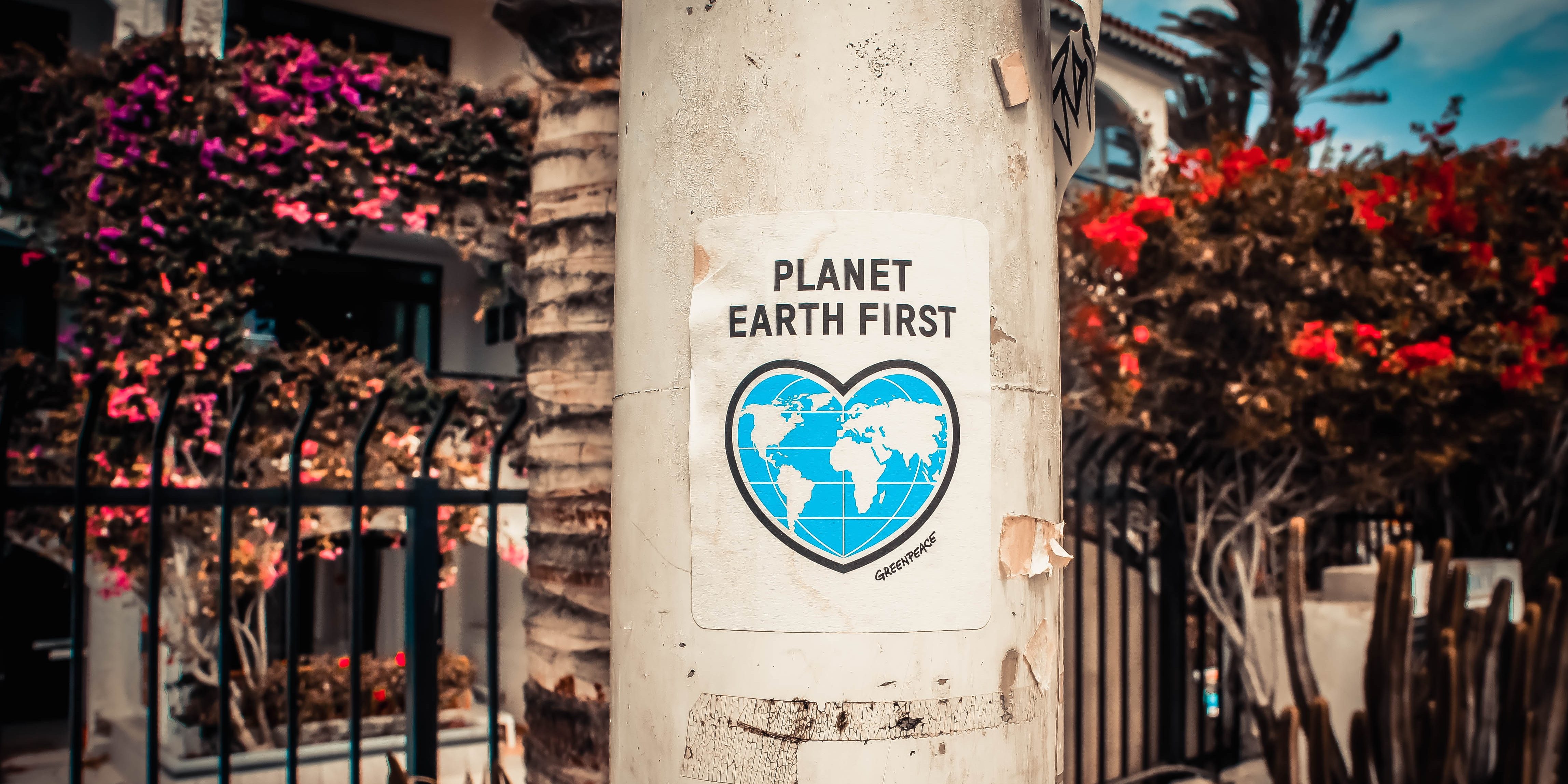
There are increasing numbers of headlines putting sustainability into the frame for corporates to consider. This assumes that it hadn’t been a part of discussions prior to Davos’ and the launch of Green Finance. This is misleading. The current relevance is actually due to the change to its materiality and the rising risk in doing business.
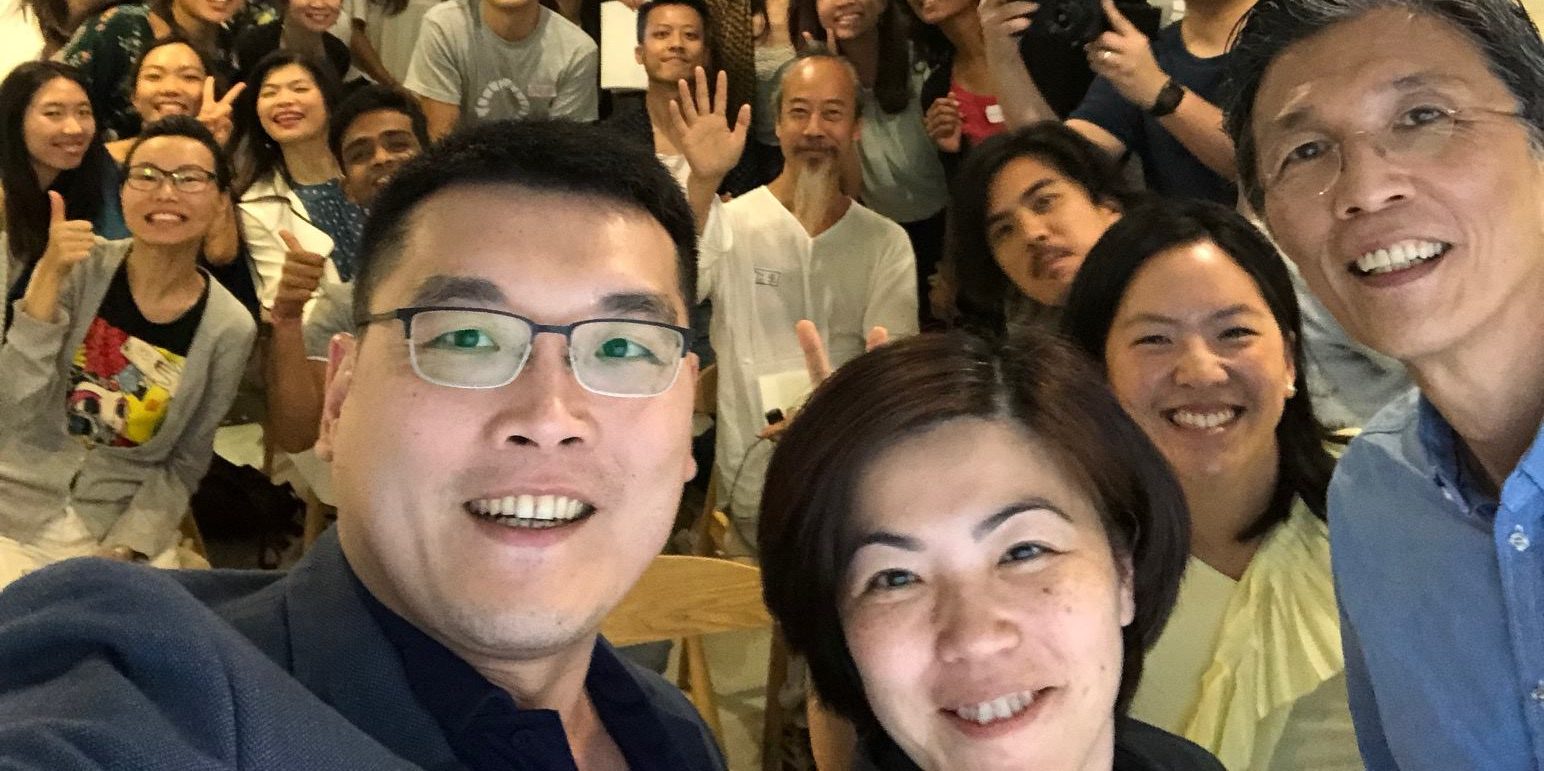
Hong Kong’s first Global Goals Jam took place last weekend, on 22-23 September 2018. The event was organised by Loftwork Hong Kong and SUSTAINHK, implementing a design thinking curriculum developed by The United Nations Development Programme and the Digital Society School (Amsterdam University of Applied Sciences). The event was hosted at nakedHUB New Street and MTRL HK (Loftwork’s creative lounge).

This time last year, a few business leaders and I convened a community of Shared Value champions with a vision to promote a new way of doing business in Hong Kong.