
What Happens When an Office Fit-out Company Decides to Close the Loop?
Learn how JEB Group turned a sustainability conviction into a circular economy business, and why it changes the game for corporate clients across Asia.



Learn how JEB Group turned a sustainability conviction into a circular economy business, and why it changes the game for corporate clients across Asia.

Learn how IETP supports its factory workers by providing family-friendly spaces for their children in mainland China.
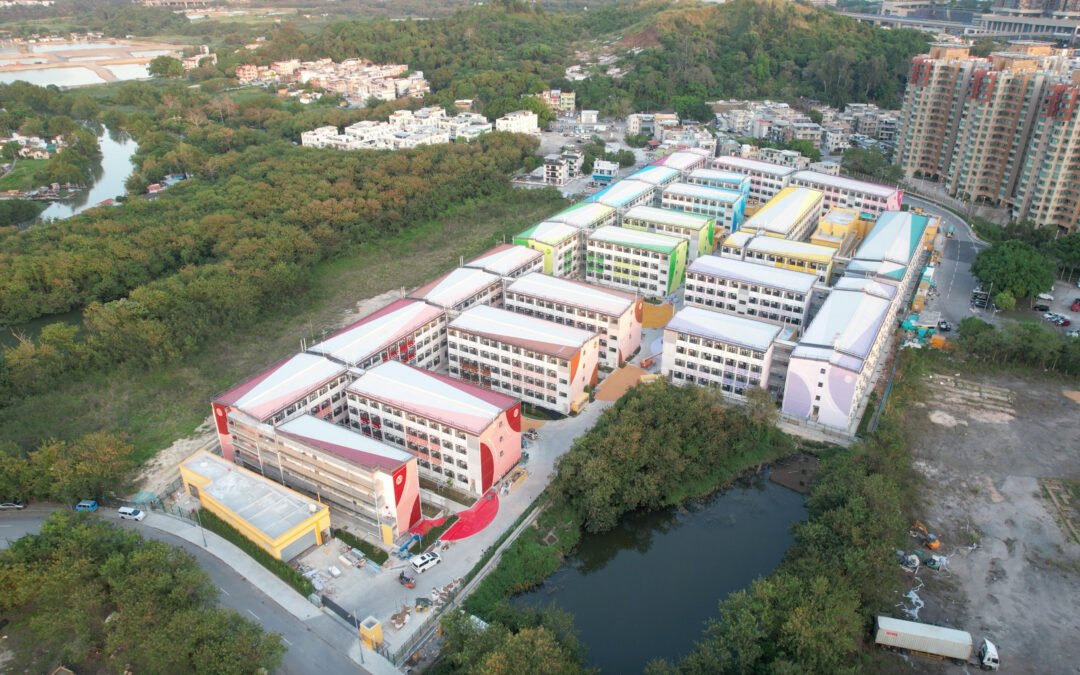
Know more about the collective initiative that led to the United Court in Tung Tau, Yuen Long, transitional social housing for 1,800 underprivileged families.
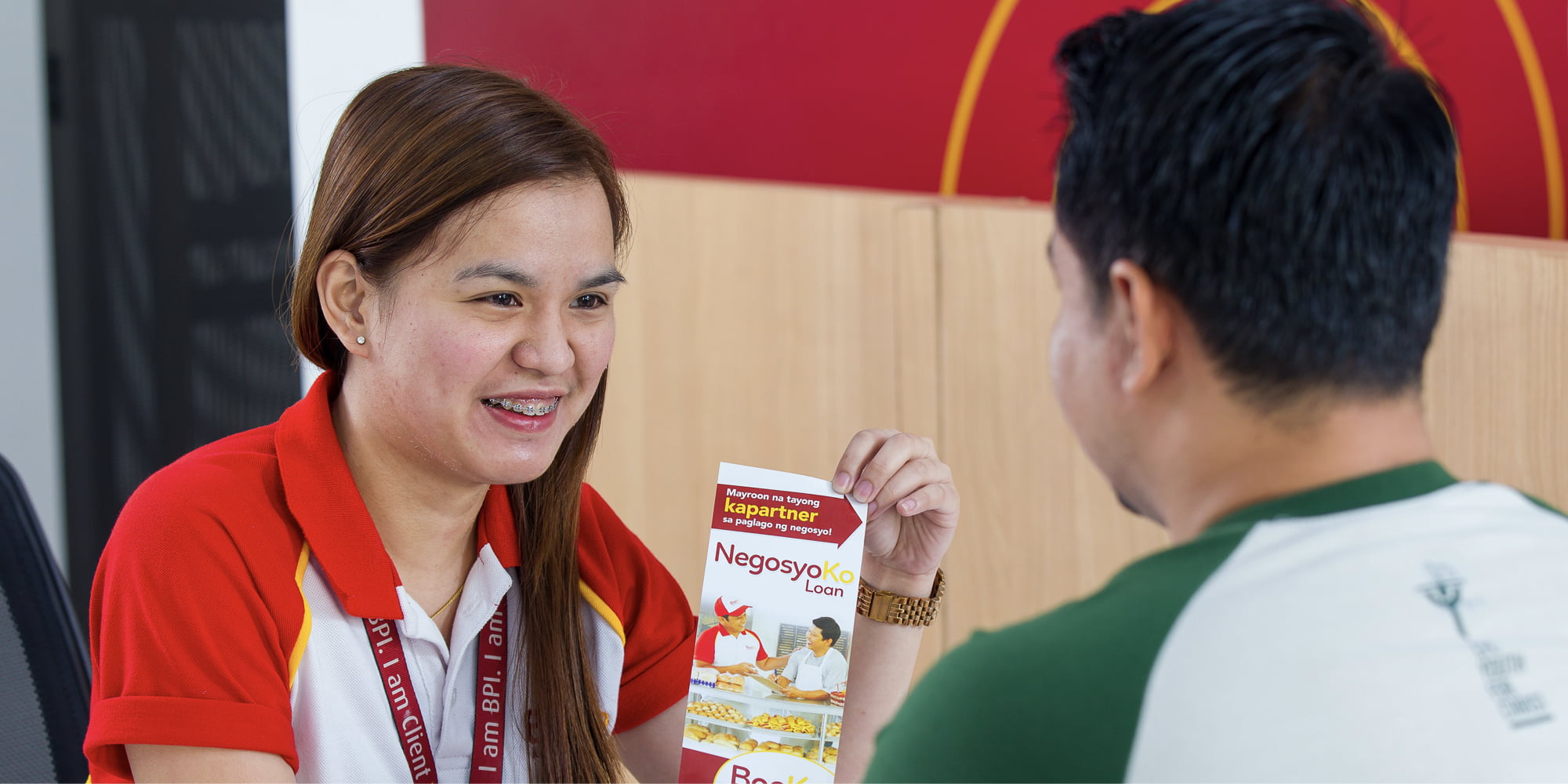
This case study examines different Shared Value strategies the filipino conglomerate established in the education, health, finance, and energy sectors.
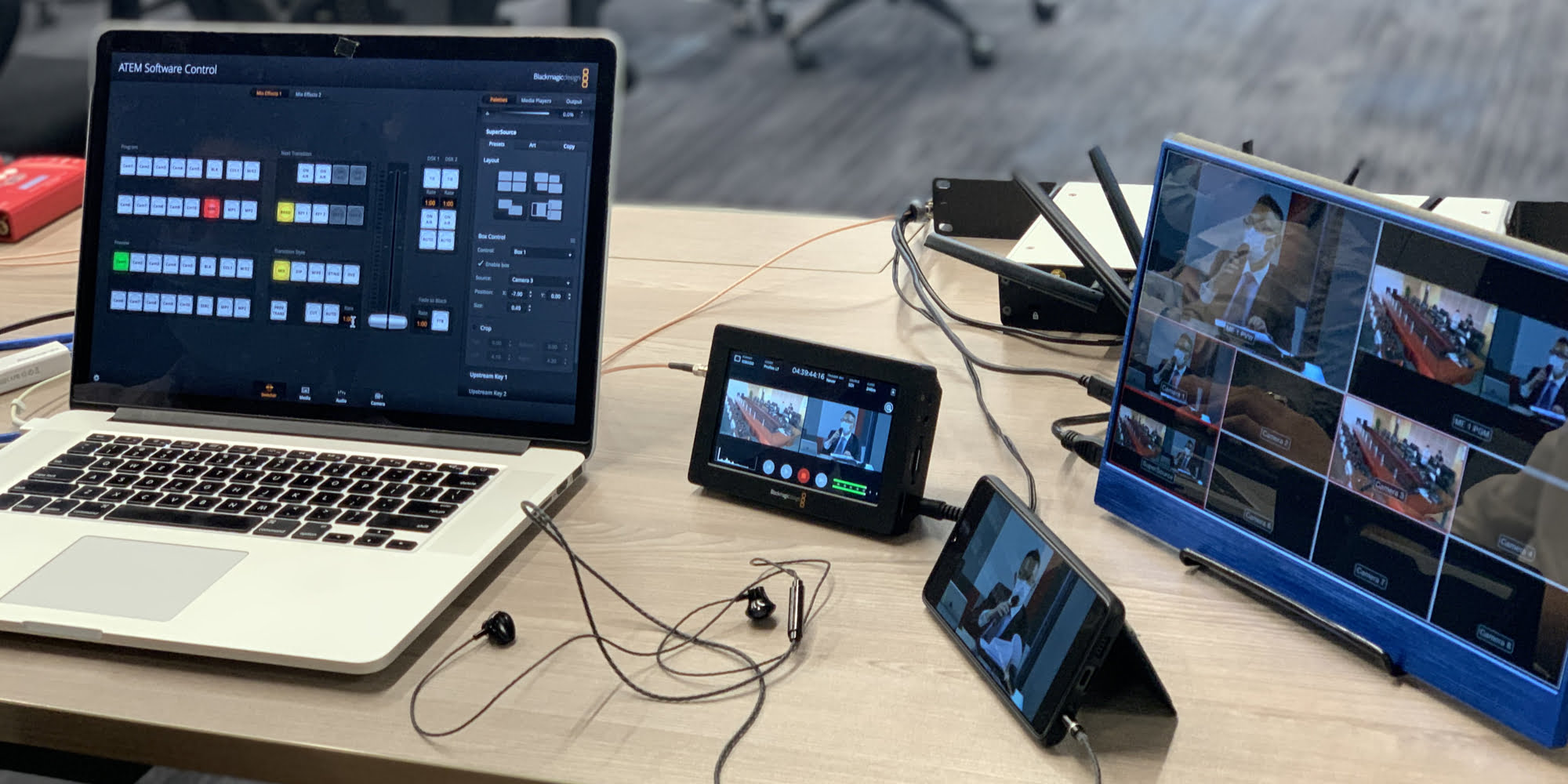
Tricor introduced hybrid or virtual AGMs in Hong Kong with SPOT. This e-meeting platform opens a new era for shareholders’ meetings, by avoiding disruption while enabling greater transparency and security.

Let’s read how CLP develops a young talent pool in Hong Kong to face the challenge of increasing retirement rates among its workforce coupled with stagnating intakes of student engineers.
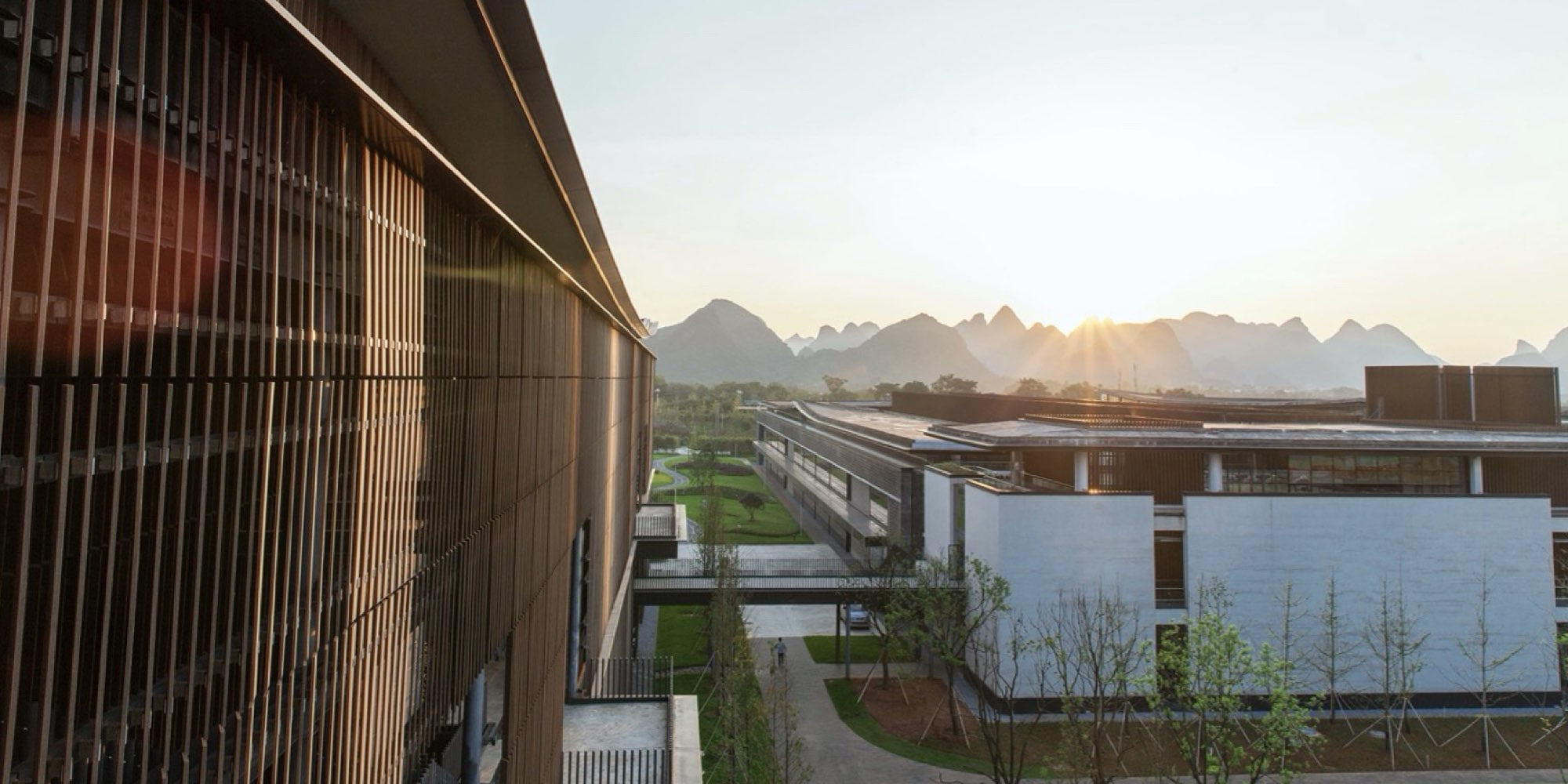
Let’s read how Esquel led the cotton manufacturing industry in its transformation towards a more sustainable model while creating competitive advantage.

With Shared Value at the core of its philosophy, Medix’s purpose is to enable greater accessibility to quality healthcare services.

AXA ‘Mind Health’ Programme is Hong Kong’s first end-to-end mental health programme for corporations, designed to improve the mental wellbeing of employees by bridging gaps in knowledge, trust and support.
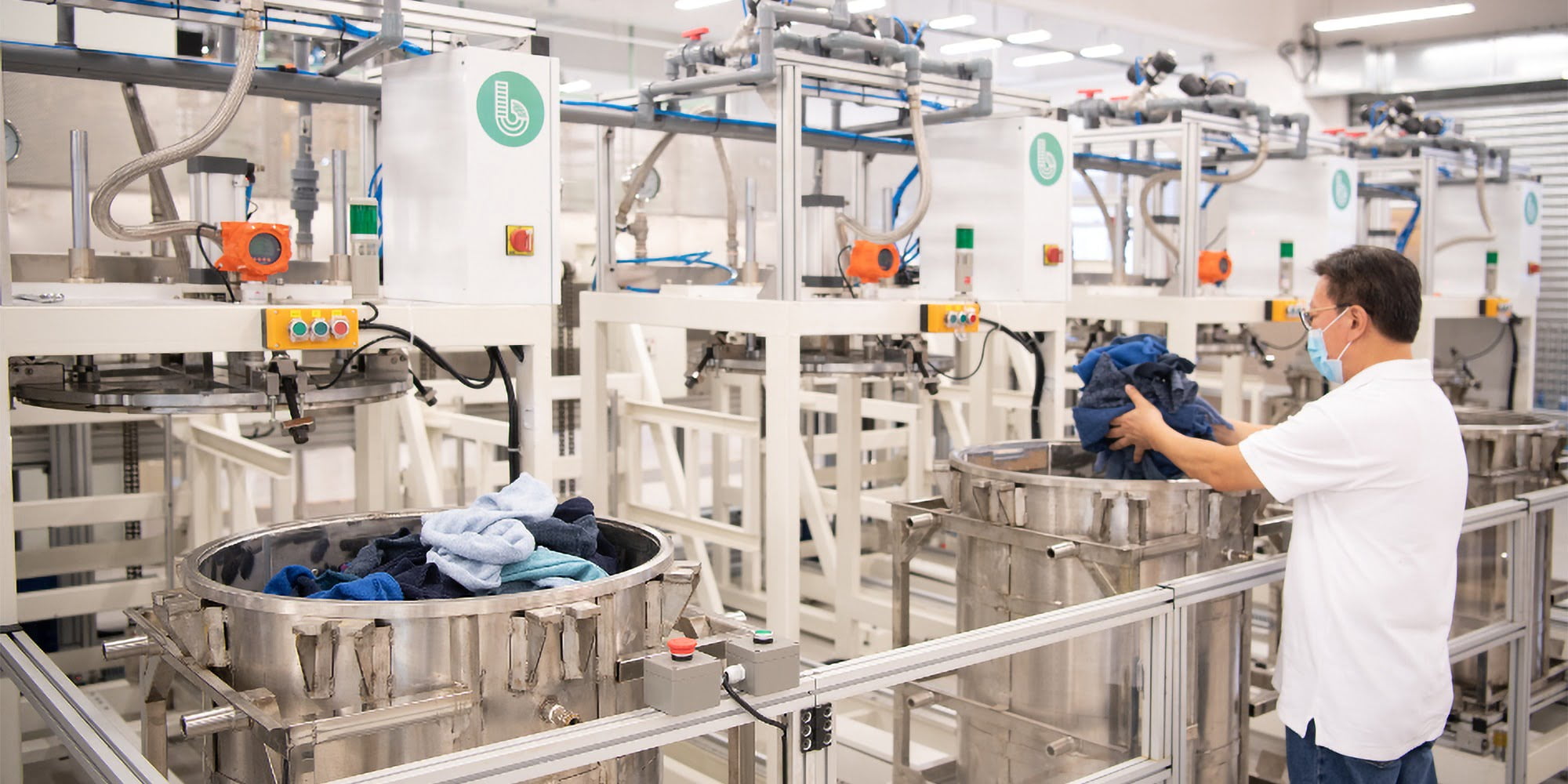
In 2018, Novetex launched The Billie System in Tai Po, Hong Kong. With this sustainable initiative, the company upcycles textile waste into new yarn, thereby creating competitive advantage while addressing a pressing environmental issue.
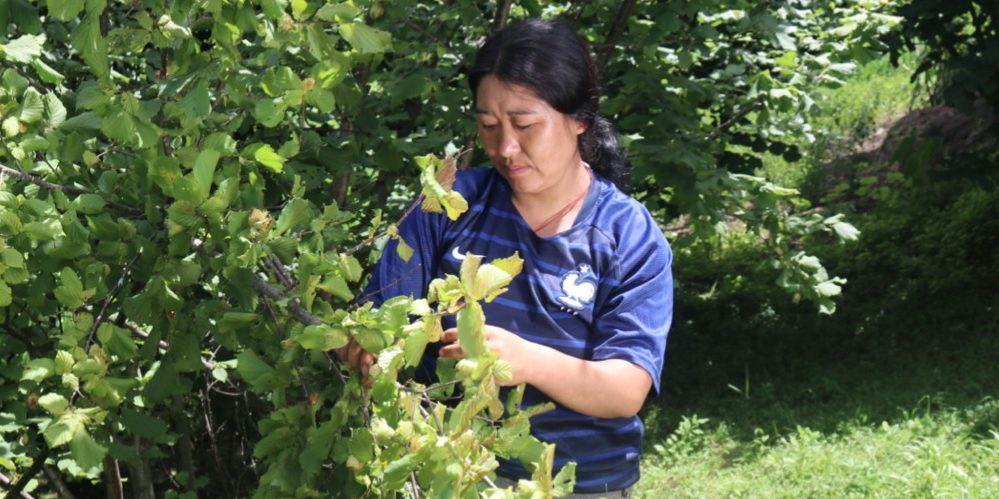
By aligning profit with purpose, Mountain Hazelnuts (MH) aims to capture 3% of the US$7 billion global hazelnut market and expects to significantly increase the income of 15% of Bhutan’s population.
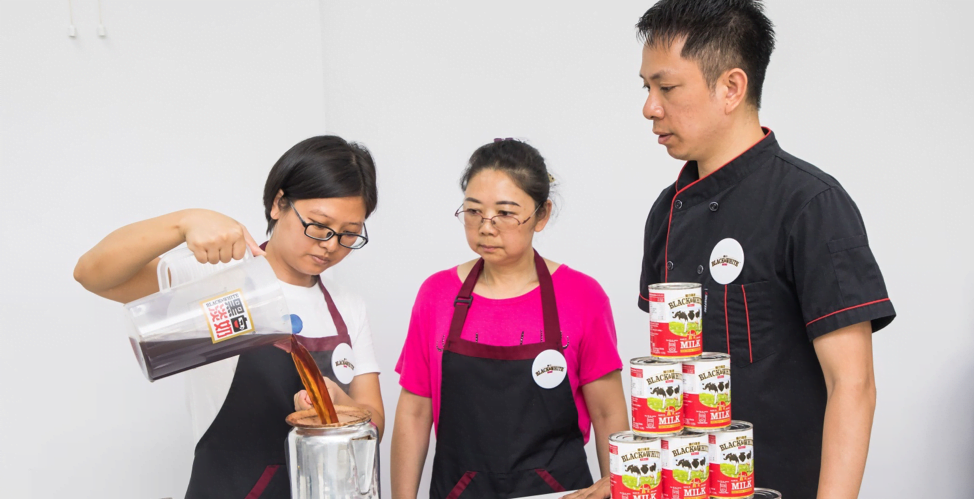
Over the past several years, FrieslandCampina (Hong Kong) Limited (“FCHK”), a subsidiary of Royal FrieslandCampina, has been taking major steps to preserve and enhance a vital aspect of Hong Kong’s culture via a series of expansive initiatives that have long-lasting, rewarding outcomes. These initiatives have helped to fulfill local dreams via new job opportunities, boosted confidence amongst various sectors of the community and enabled cherished traditions to continue amongst a new generation, with one of the main goals being that a unique city tradition will carry on well into the future.