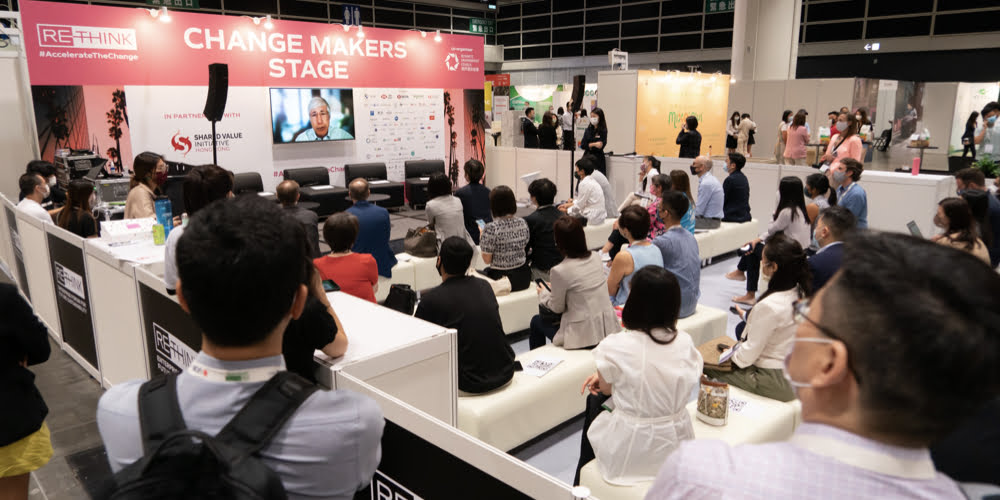
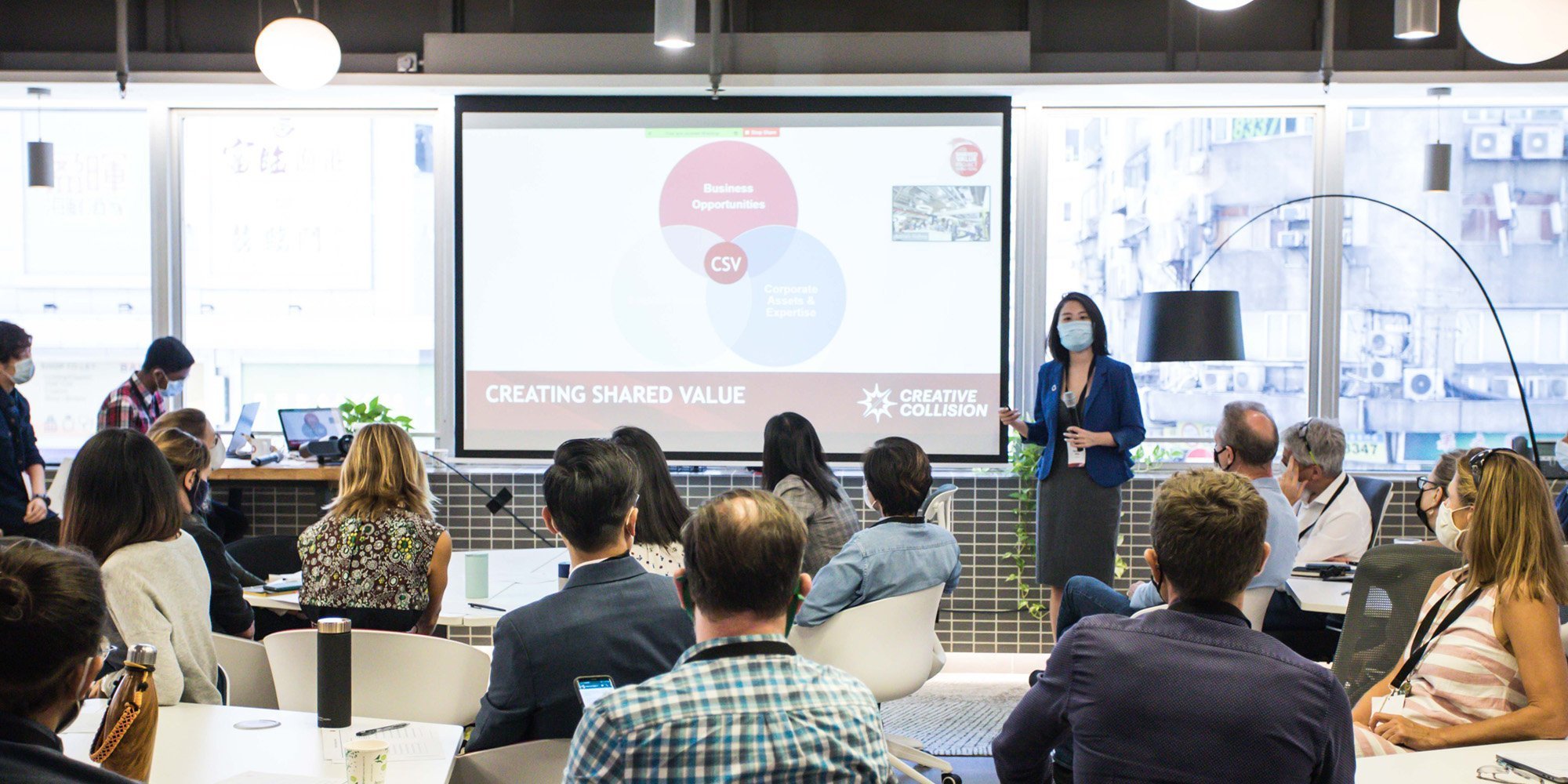
Martina Mok, our former Head of Programmes and Partnerships, invites you to draw on what our team has learned – and to challenge these – through three-plus years of connecting and enabling Hong Kong’s most passionate changemakers across business, civil and public sectors.
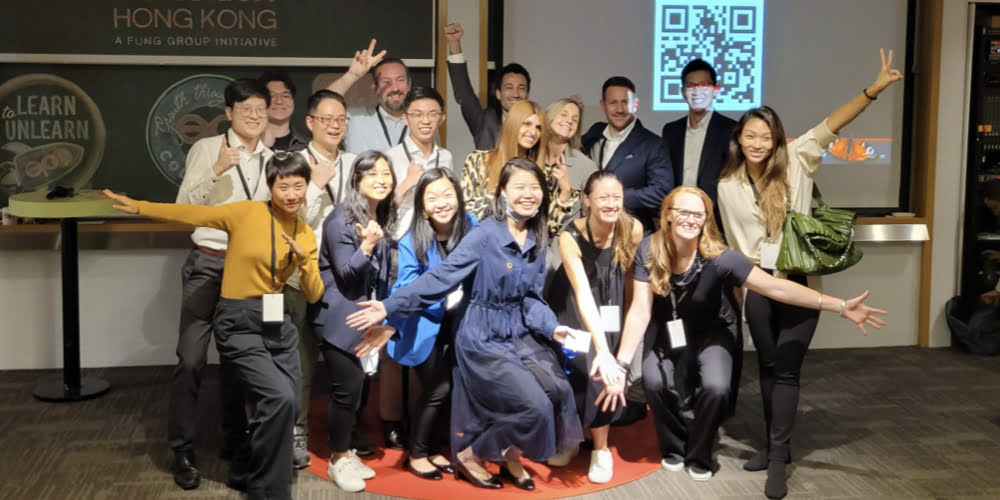
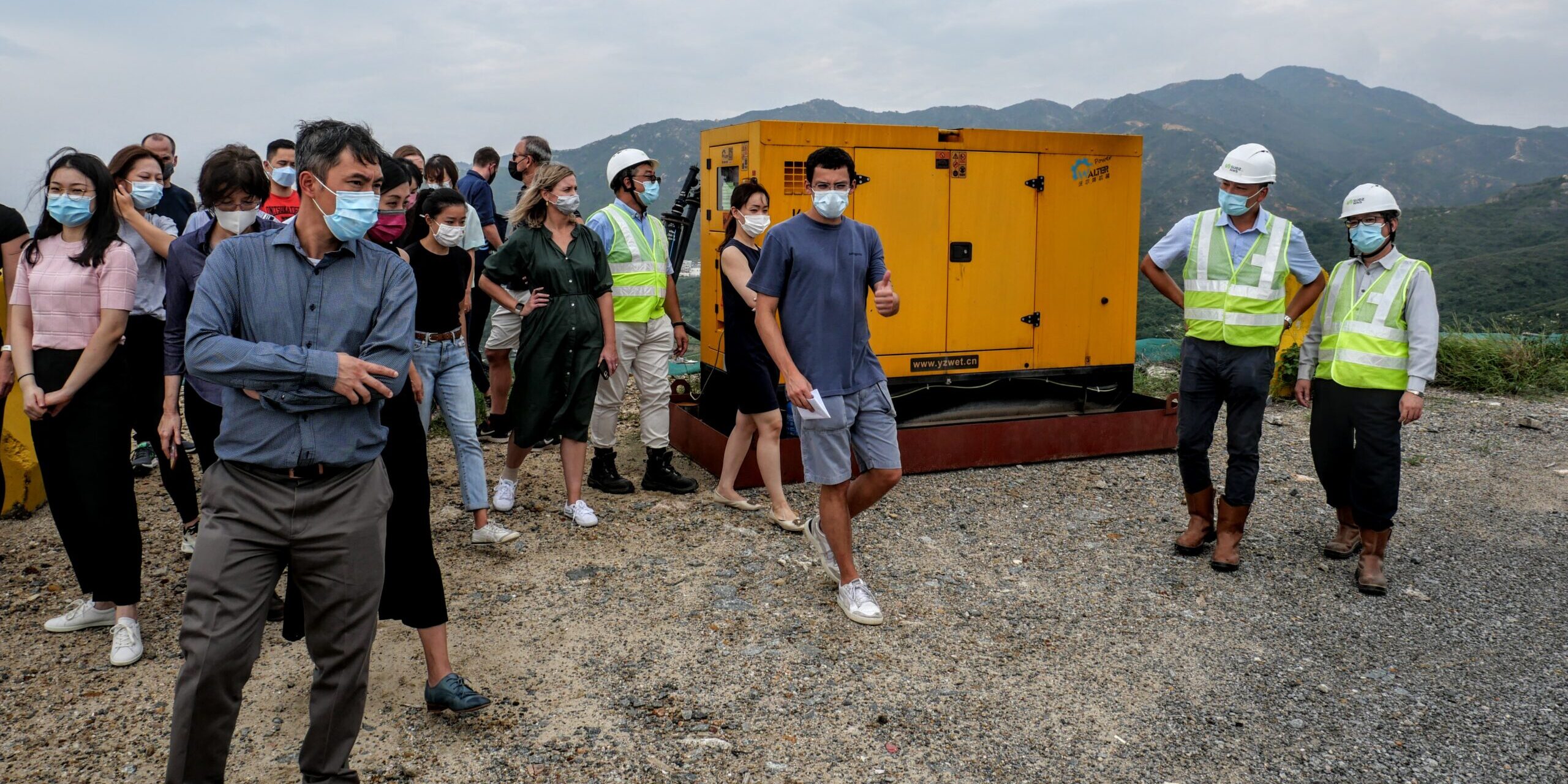
In early August, Shared Value Initiative Hong Kong (SVIHK) led 20 corporate participants on a Circular Economy field trip. The objective was simple yet ambitious: provoke the fierce reactions it requires to trigger changes among our partner companies represented that day.
François Fevrier, CEO of Water in SUEZ Asia, tells us about their subsidiary Macao Water, which has helped save 2 million m3 of water and is recognized as the benchmark of performance excellence in China’s water industry.
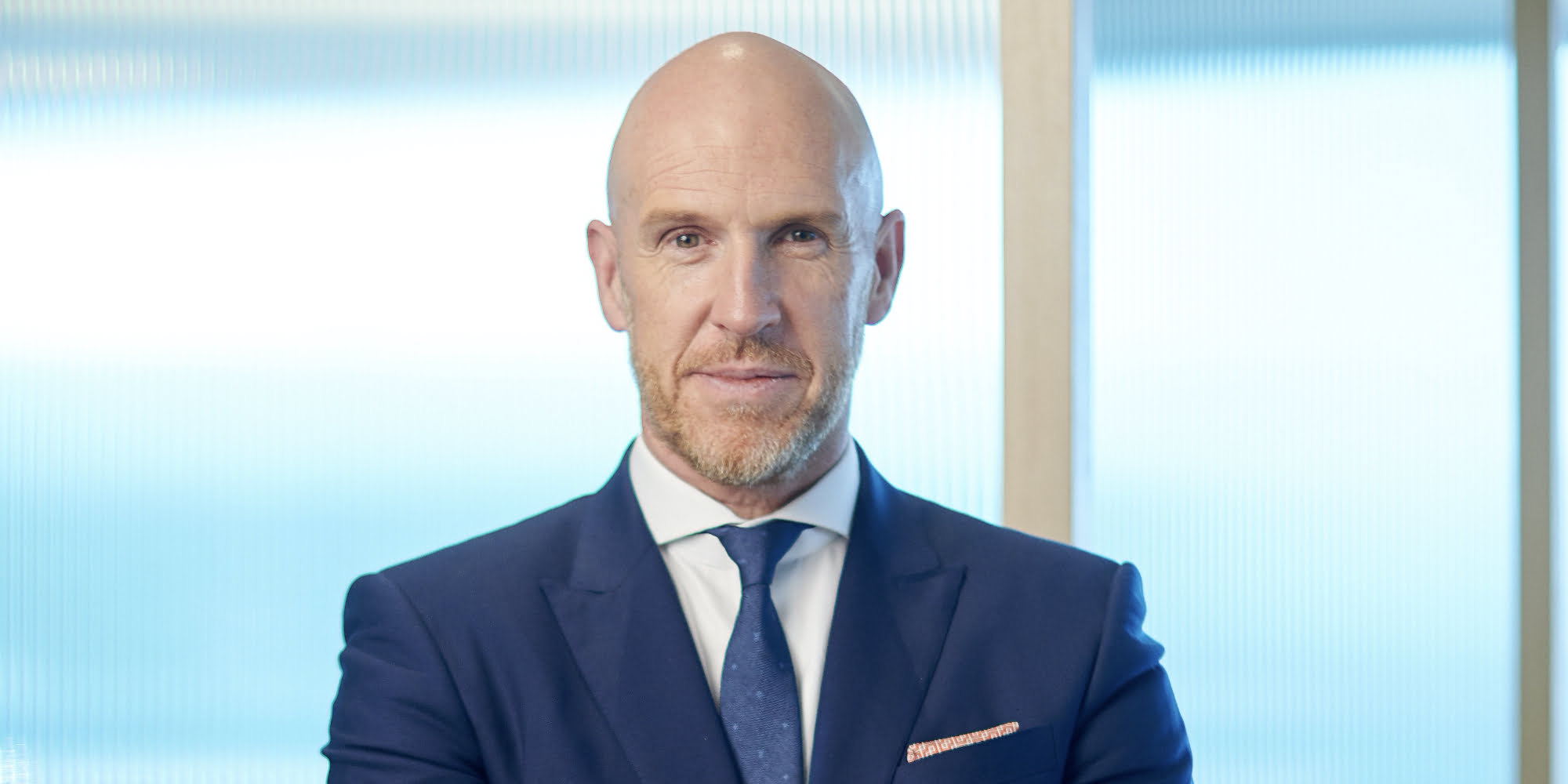
CEO of AXA in Asia & Africa, Gordon Watson explains how he came to embrace Shared Value, a global movement which is celebrating its 10th anniversary this year, and became the Founding Chair of Shared Value Project Hong Kong, now renamed Shared Value Initiative Hong Kong.
Nestlé Hong Kong launched the Nestlé for Healthier Kids Programme in 2017. In this interview, May Chung, General Manager, Nestlé Hong Kong Limited, explains the why and how of a global programme helping children lead healthier lives while creating value for the business.
A great culture can create a better, more inclusive and thriving work environment that translates to better financial results, engaged, connected, inspired and higher-performing employees, deeply satisfied and loyal customers, greater top-line growth, enhanced wellbeing and more creativity. And who doesn’t want to work in, or do business with, an organisation that’s known for its awesome culture?
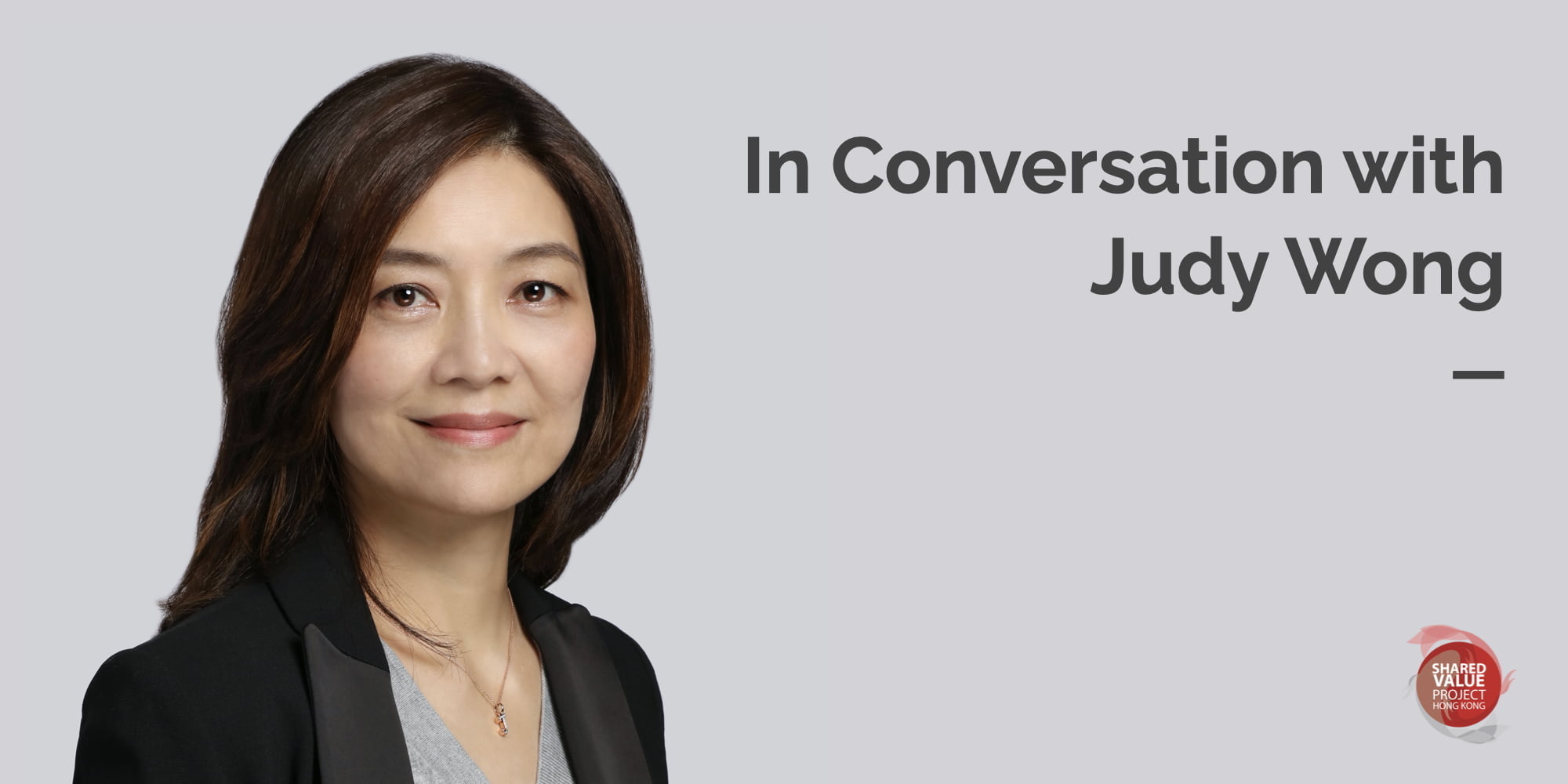
In this interview, Judy Wong, Group General Counsel and Chief Compliance Officer of Tricor Group, and Director of SVIHK, explains how Tricor solves some of their pain points through their purpose portfolio and how this forward-thinking approach has helped them through the pandemic.
Reflecting on the last few months of industry events, partner conversations and Member meetings, here are my observations on some major barriers to social innovation in Hong Kong. Some of my views may be unpopular, but then again we’re not here to be mainstream. Alongside each is an example of what we’ve tried in overcoming that barrier, in case it’s useful to others.
As a sustainability professional, I often heard versions of the same message: “sustainability is for rich companies that have money to spare”. Over the years, this outlook has changed in part due to greater exposure to climate risks. Before we truly understood the magnitude of the Covid pandemic, the World Economic Forum Global Risks Report’s top risks in terms of likelihood and impact heavily featured environmental issues.
In 2012/13, I was tasked to help establish a whole new government funding scheme, namely the Social Innovation and Entrepreneurship Development (SIE) Fund, with an aim to provide impetus to propel the development of social entrepreneurs and build the local social innovation ecosystem. At the time, the government had been providing resources to fund and support the development of the social enterprise sector for almost a decade. The staunch support from the government had already enabled the social enterprise sector to flourish and gain recognition generally in Hong Kong.
Over 90 percent of consumers say it is important for companies to show they are committed to doing the right thing, according to a recent seven-market study by FleishmanHillard’s TRUE Global Intelligence practice. The report, COVID-19 Mindset: The Collision of Issues, analyses the inflection points taking place around the world as consumers’ thoughts and approaches to their health and finances shift, and expectations of their government, community, employers and each other change.